
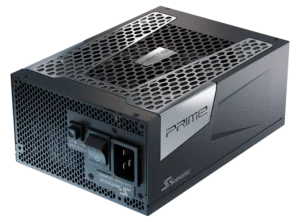
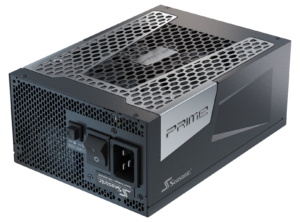
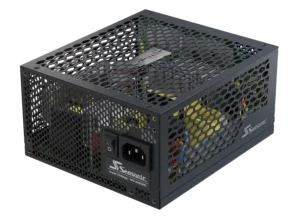
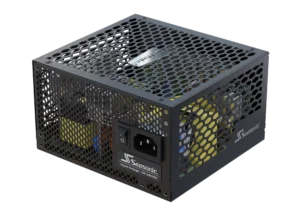
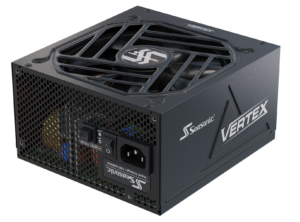
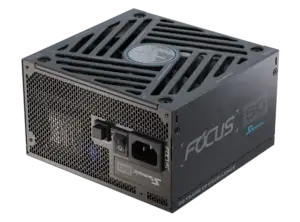
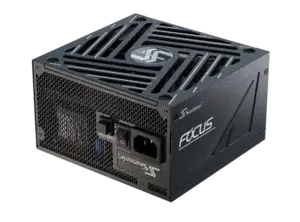
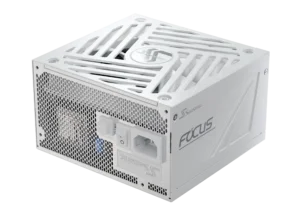
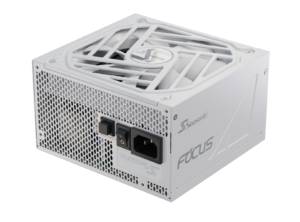
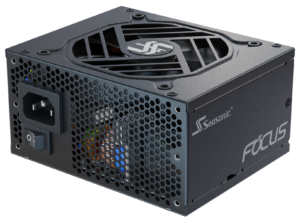
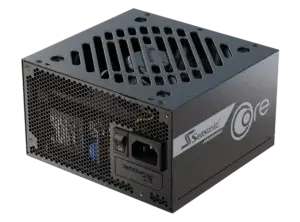
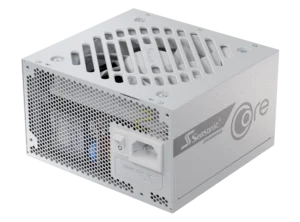
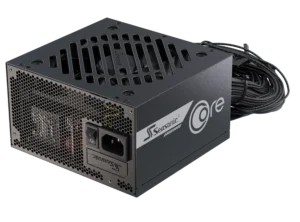
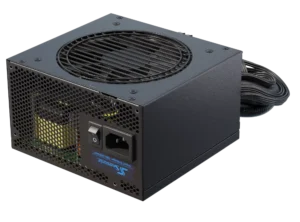

Learn how PSU voltage regulation affects the smooth operation of gaming rigs and professional workstations, based on the load they generate during power-hungry tasks.
What is voltage regulation in PC power supplies?
PSU voltage regulation is a key sign of quality for every power supply unit. It shows how tightly output voltages (+12V, +5V, +3.3V) stay within specification under varying load conditions.
In a real-world scenario, voltage regulation maintains continuous stable outputs while the power supply’s transient response handles the sudden change in power demand (dynamic load), helping the PSU deliver a smooth, stable 12V. Such cases are a casual thing for gaming rigs or those that process a large amount of data or are connected with AI operations. When that happens, it’s crucial to keep power delivery safe and stable to avoid instability or system crashes and maintain consistent performance. For users, it may be unnoticeable, but under the hood, there are a lot of processes occurring for your pleasant PC use.
As high-performance PC hardware keeps evolving, its safety becomes even more essential. For example, when the RTX 50 series GPUs handle power-hungry tasks supported with high-quality screen graphics, the load suddenly spikes. A weak PSU with poor transient handling can cause a voltage drop immediately, resulting in freezes, instability, or even a system reboot. The things you don’t expect to face during streaming or overclocking. With good PSU voltage regulation, this doesn’t happen: the GPU and CPU receive a stable power supply and run at full capacity.
Voltage regulation features in gaming PC power supplies
Voltage regulation in gaming PCs is key for ongoing GPU and CPU performance under heavy loads for a long period of time. It determines how smoothly the PSU maintains stable voltage across the output rails (+12V, +5V, +3.3V) even under sudden load spikes. In builds where such cases pop up every few minutes (especially during long gaming sessions), the right voltage regulation delivered through a high-quality power supply is a must, a gold-standard baseline that must be followed by manufacturers and the feature professional PC builders are looking for.
The whole process starts at the stage when the current from the wall goes to the PSU first. There, the voltage is rectified, and the main 12V rail is generated and regulated as the primary output. Next, DC-DC converters generate stable 5V and 3.3V voltages for other system components. The power supply controller uses a feedback loop to regulate the output voltage, quickly adjusting when the load spikes. Like during peak demand from the high-end GPU presented in RTX 50 series models or a multi-core CPU.
Actually, the voltage regulation process is the same for different PC builds. The main difference lies in the load the PC demands, depending on the task, and the PSU’s ability to adapt and supply the right amount of power.
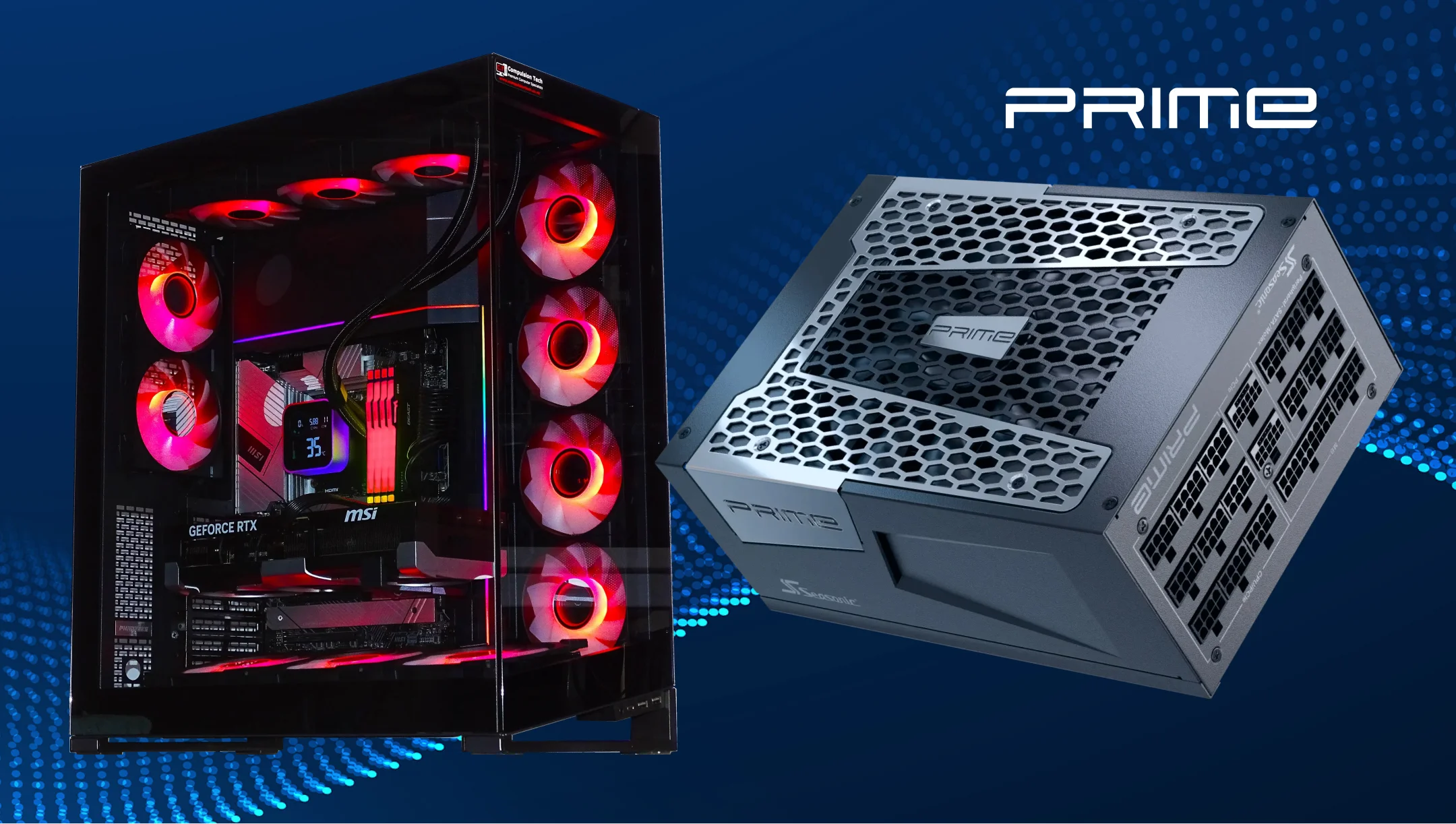
Voltage regulation features in content creator PC power supplies
Content creator PC build runs really heavy tasks as they are more often connected with video processing, 3D rendering, and AI tasks. To keep up with the load that lasts a long time, voltage regulation in a power supply architecture must be designed with extreme conditions in mind, it must handle.
This is critical for content creation systems, as GPUs, CPUs, and high-speed storage devices are highly sensitive even to brief fluctuations. Tasks like video editing, long rendering sessions, or running AI modules cause frequent and significant fluctuations in power consumption. If the PSU cannot regulate voltage consistently, this creates additional stress on the motherboard’s VRM and the GPU. Operating in such conditions day-by-day, PC components wear out faster, and the system becomes unstable during demanding tasks.
So, for a content creation rig, it’s essential that the PSU has a top-notch voltage regulation circuit. Your GPU and CPU always get the power they need, voltage stays steady, ripple is barely noticeable, and sudden load changes don’t throw anything off.
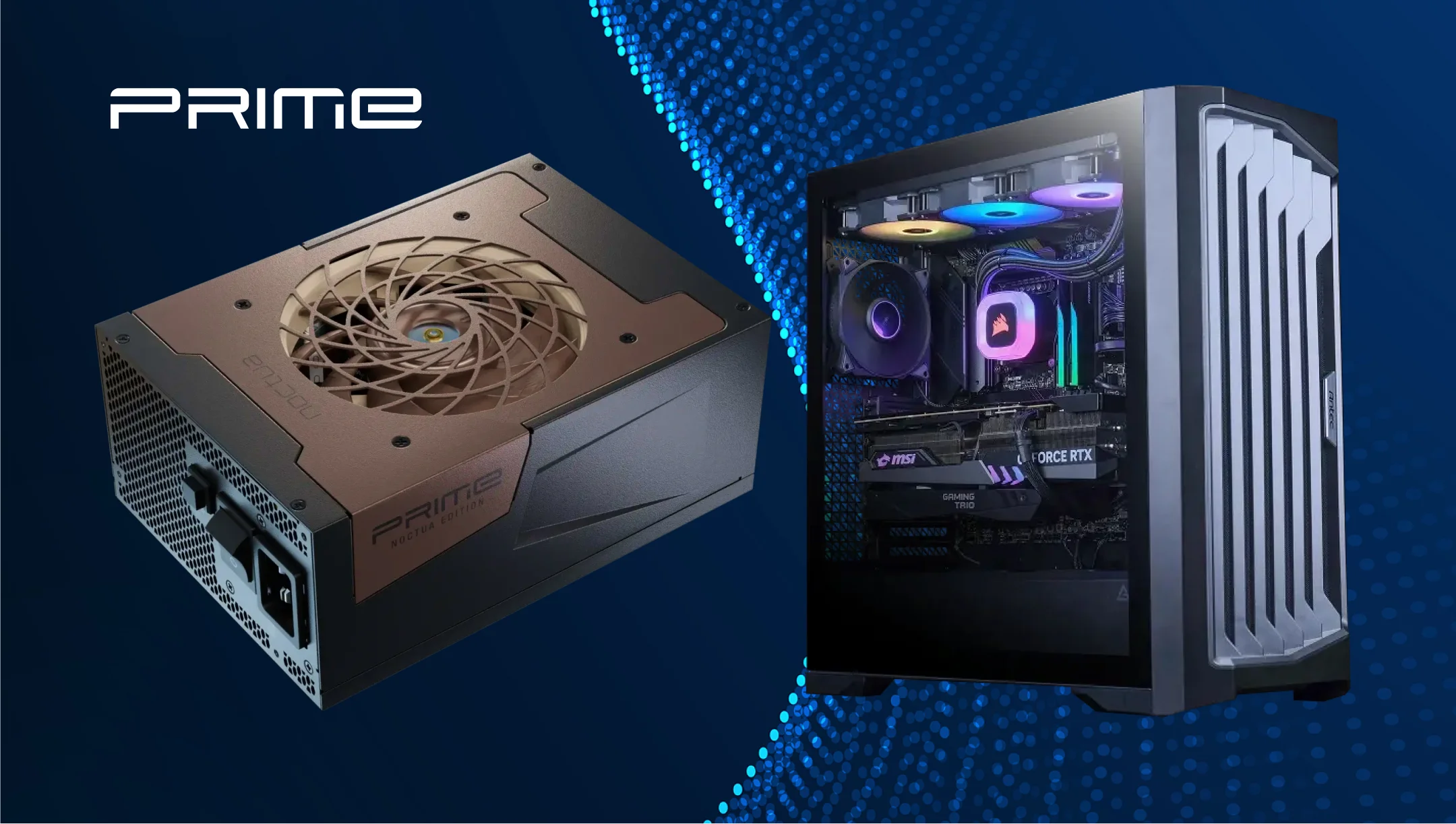
Gaming PC power supply load characteristics
There is what the power supply in gaming rigs may face with through typical day-to-day use.
- Low idle power consumption. The power supply load from the CPU and GPU is very low during desktop use or while playing light games.
- Sharp spikes during gaming scenes. Modern games backed by high-end GPUs and powerful PC components can instantly increase power consumption by hundreds of watts. Every year, game companies release increasingly power-hungry titles as they push for more realistic, immersive experiences. To keep up with these scenarios, manufacturers design more powerful PC components as well as PSUs.
- Unstable load on the +12V rail. When all CPU and GPUs cores are active simultaneously, they can pull more power (power spikes) than usual, so in demanding situations, it may even cause brief system instability.
- Short-term, recurring spikes. When you’re smashing through FPS scenes and heavy textures, the power draw goes all over the place.
- Dependence on peripherals and the memory subsystem. RGB lighting, fast SSDs, and fans add minor fluctuations in power consumption. Not so noticeable as CPU and GPU, but still they also affect the overall power supply load.
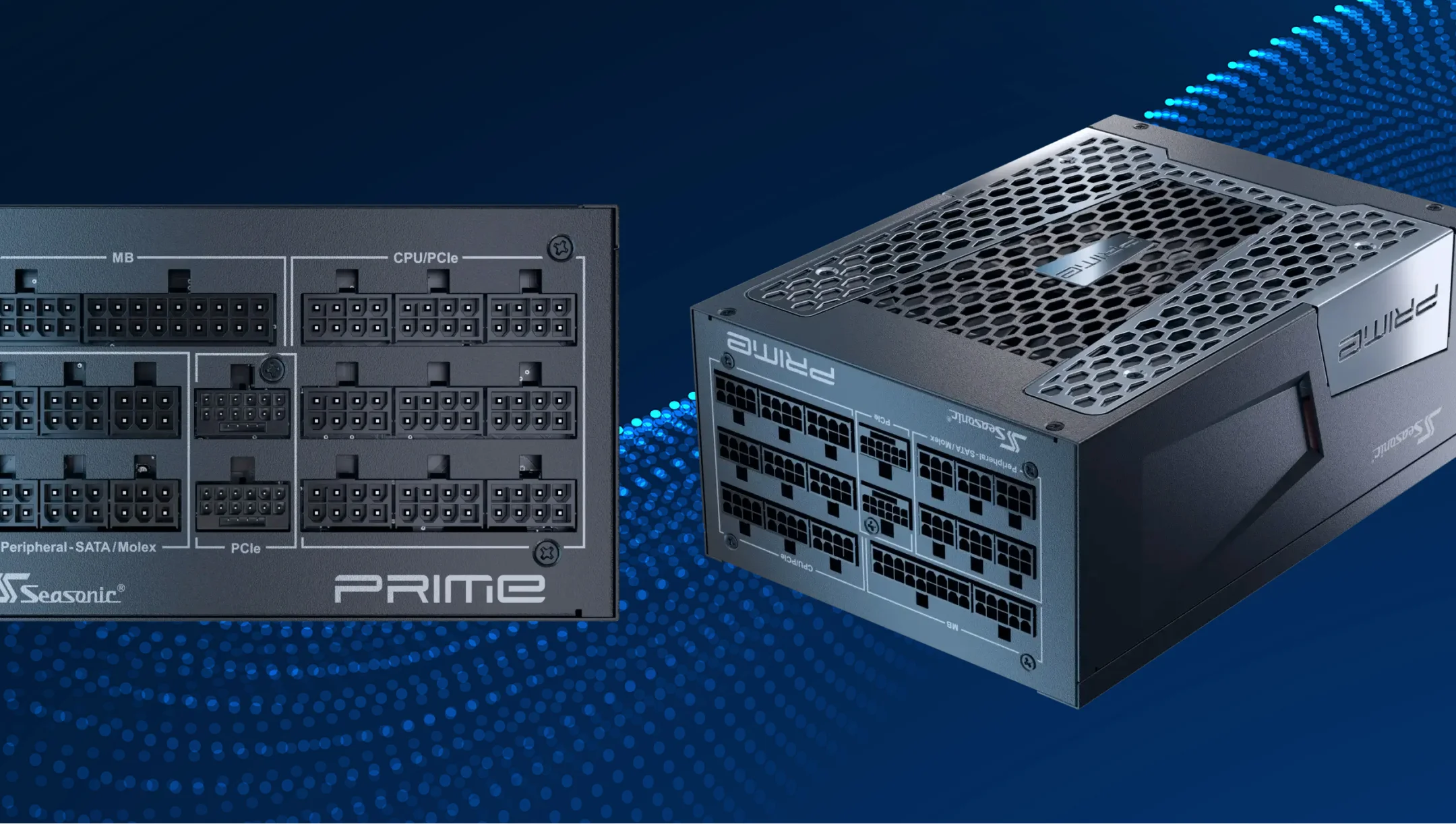
Power supply load characteristics in content creator PCs
As content creation involves different tasks than gaming, such PC builds put more strain on the power supply.
- Consistently high load. The CPU and GPU are most often engaged in rendering video or 3D scenes for an extended period of time. So it’s like double trouble for your PSU; it needs to push enough power under heavy load while keeping your PC stable and your graphics looking crisp.
- Smoother peaks as the load changes more gradually than in gaming scenarios, but stays heavily loaded for extended periods.
- High load on all power rails (+12V, +5V, +3.3V). That happens because your GPU, CPU, NVMe drives, and peripherals are all working hard at the same time.
- Consistently high power delivery for stability. When you’re rendering for a long time, it’s important to avoid voltage drops.
- Compatibility with professional GPUs and specialized expansion cards is taking a constant, heavy hit. When you’re grinding through video edits, AI workloads, or massive file processing.
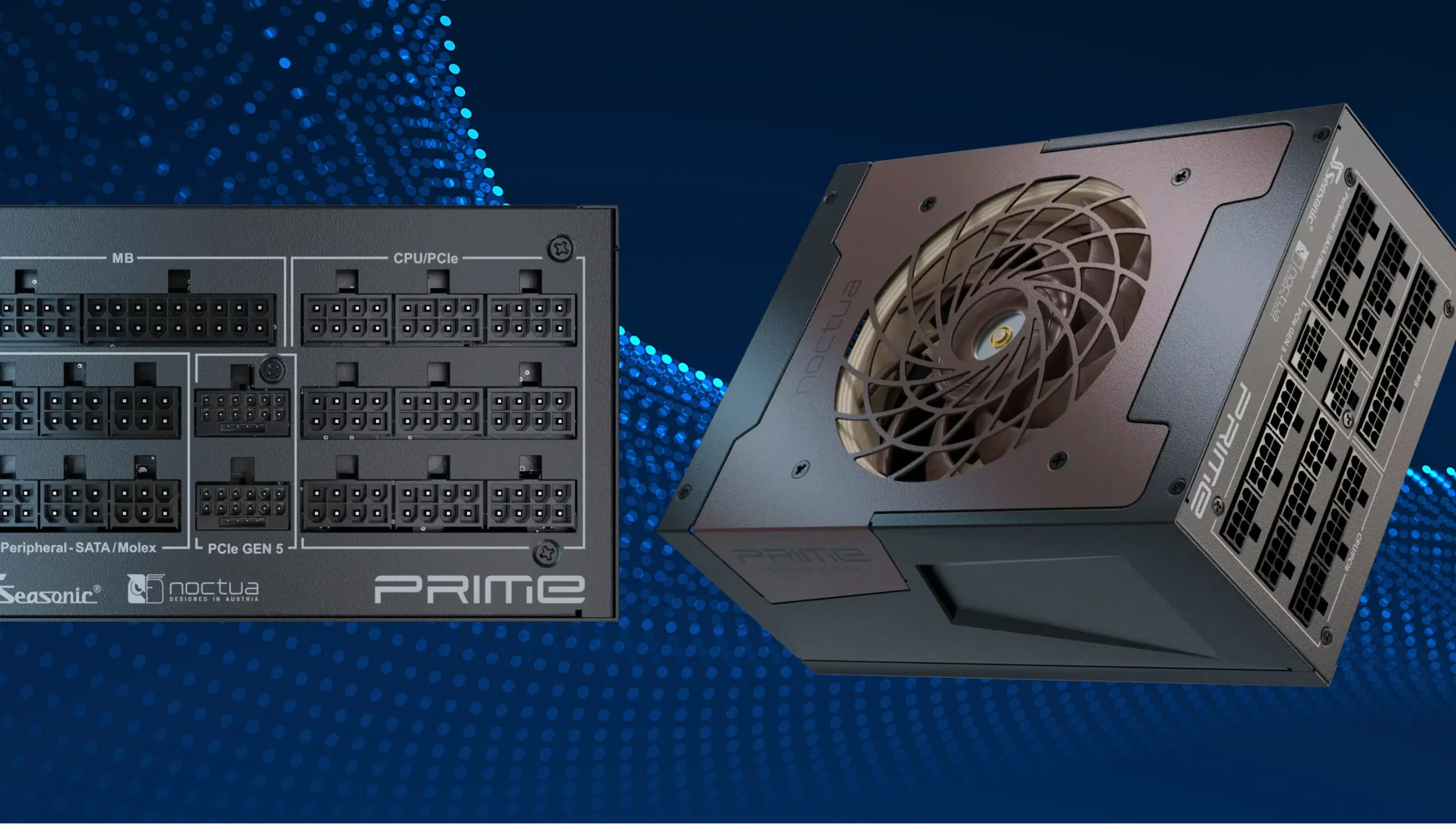
Load fluctuations in gaming PCs and content creation workstations
The nature of load fluctuations in gaming and content creation systems varies significantly, according to the workload they’re processing.
In gaming PCs, the load often changes instantly, especially in active or realistic games. FPS scenes, texture rendering, and game physics cause quick, sharp spikes in power draw. The PSU must respond instantly to keep the voltage on the +12 V, +5 V, and +3.3 V lines stable. Otherwise, there may be display issues, like screen freezes or artifacts.
In content-creation workstations, the load is typically sustained. Video editing, 3D scene rendering, or AI computations cause steady, heavy power consumption. Even though the peaks aren’t as sharp, the PSU constantly runs at high loads, so low ripple and clean output current matter.
For gamers, a PSU that reacts instantly to short spikes is a must to keep gameplay smooth. For content creators, it’s all about steady voltage under constant heavy load to avoid drops and keep components safe. In both scenarios, the computer PSU voltage regulation supports your setup during the hardcore tasks without breaking a sweat.
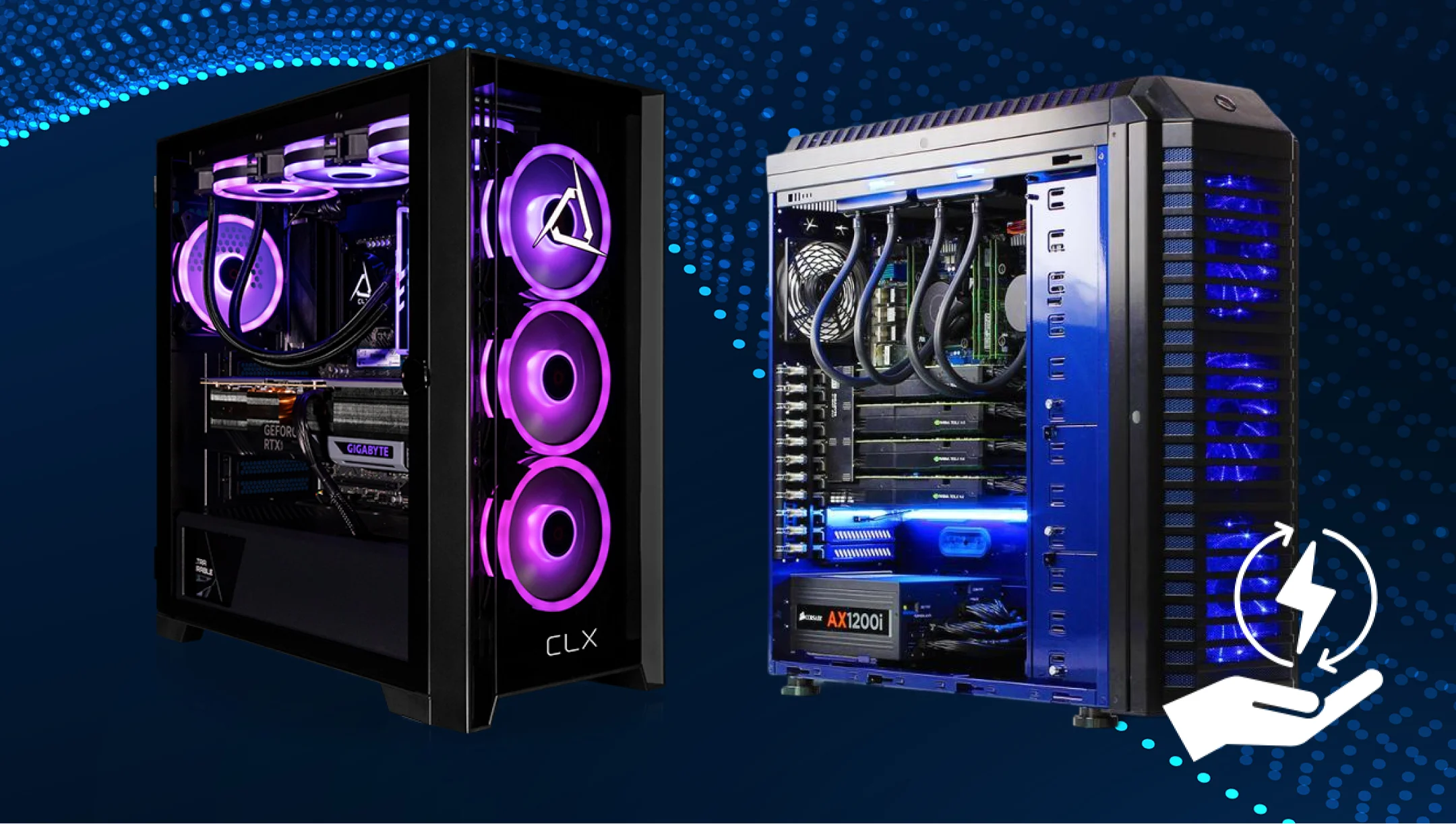
Voltage stability under heavy GPU and CPU load
In modern PC rigs, packing with powerful GPUs and multi-core CPUs, keeping voltage stable is a big deal. When your GPU and CPU are hammering away at the same time, power draw can spike instantly. It hits the +12 V rail, which powers mainly the modern CPUs and GPUs. Taking into account the working conditions that the PSU operates under, it’s clear that voltage stability is something deeper than a clean picture displayed on a screen. It’s also about keeping your PC and PSU components safe and lasting longer, letting you use your system without worrying about electrical issues.
That’s where modern PSUs step up. With feedback loops and DC-DC converters, they react fast to sudden fluctuations. In a gaming setup, for example, those FPS spikes push the RTX 50 series GPUs hard. But the PSU instantly adjusts output to minimize voltage deviations that could freeze your screen or mess with graphics.
For content-creation workstations, it’s more of a long haul. GPUs and CPUs running full tilt for video editing, 3D rendering, or AI need an ATX PSU that keeps voltage steady. High-quality capacitors, inductors, and fast MOSFETs also do the work. They smooth the power, minimize ripple, and keep everything stable, even during marathon rendering sessions or complex calculations.
At the end of the day, stable ATX PSU voltages are essential to keep your GPU, CPU, and other components running smoothly and safely.
Choosing the right power supply architecture for gaming or professional work
When picking a PSU for a modern build, it’s key to understand that its architecture decides how steady the voltages will be under load. Gaming rigs and content-creation workstations have different demands, but the basics are the same.
For gaming PCs, the main thing is reacting fast to sudden power spikes. Those spikes hit during intense game scenes, heavy textures, or when CPU and GPU fire up together. PSUs with direct DC-DC conversion, high-speed MOSFETs, and feedback loops shine here, instantly adjusting PSU voltages. You can learn the specific power supply’s technical specification to see if it is packed with high-quality components that support smooth voltage regulation.
In professional workstations, stability over long stretches is the priority. Tasks like video rendering or 3D modeling create high but steady power draw. The PSU must maintain precise voltage across all lines, leveraging high-quality capacitors, chokes, and resonant converters to prevent drops, noise, and potential component degradation.
Wniosek
In modern PC builds, whether for gaming or content creation, tight voltage regulation, low ripple, and effective transient response are the cornerstones of reliable performance. Choosing a PSU with a modern voltage regulation circuit guarantees clean power, protects costly PC components, and keeps your system running smoothly under any conditions.