

Learn more about high-quality voltage regulation in power supplies, how it works in PSU systems, and how Seasonic implements it.
What is high-quality voltage regulation in PC power supplies?
Power supply voltage regulation is a continuous process of output voltage control and correction so that it remains stable under varying load and input conditions. It’s a fundamental factor for the whole system stability and no-compromise performance.
Talking about high-quality voltage regulation in PC power supplies, it is its capability to keep output lines (+12V, +5V, +3.3V) as close to the nominal voltage as possible. Whatever the system load is, load transients or fluctuations from the power grid.
Let’s look at it through the real use case. You run some work tasks, the system works stably, and the power is steadily flowing to every PC component. Then you decide to take a break and start a game that immediately blows with a bright video preview on a screen that changes fast. What’s going on inside your system? It’s put under instant stress, the GPU and CPU cause a sudden power spike, and all components need much more power as the load is changed. At the same time, the system draws more power from the outlet, so the power supply has to respond to the sudden load increase and regulate it instantly. This is where a high-quality voltage regulation system steps in, keeping output stable so that voltage neither drops nor exceeds ATX limits.
For professional systems, this is important since unstable voltage puts electrical stress on motherboards, graphics cards, and storage devices. Over time, this can lead to a worse situation with component degradation or unpredictable failures. That’s why Seasonic invests in complex regulation circuits, high-precision controllers, and high-quality power components.
Why is voltage regulation important for modern PC power supplies?
Voltage regulation in PC power supplies plays a key role, as all the modern PC components (GPU, CPU, NVMe storage devices, and others) are very sensitive to voltage fluctuations. Even a short-term sagging may cause unstable PC operation, malfunctions, artifacts in graphics, or a reduction in component life.
If you run an AI workstation or a power-hungry build for media editing or video creation, the robust voltage regulation supports their high-efficiency operation and component stability. While the motherboard VRM performs final voltage regulation for the CPU and GPU, it relies on stable input from the PSU to operate efficiently and minimize thermal and electrical stress on components. Thus, modern PC power supplies use precision controllers, DC-DC converters, and high-quality capacitors to keep the voltage at the nominal value.
What are the main standards for voltage regulation in 2026?
Here is a list of the core voltage regulation standards that were used by manufacturers in 2025 and are still in use in 2026.
- ATX 3.1 (the main standard for desktop PSUs). It formally defines the limits within which output voltages must remain, not only +12 V, but also +5 V, +3.3 V, −12 V, and +5VSB. Depending on the load, +12 V voltage is allowed to deviate as much as +5% (12.60 V) to -7% (11.16 V) from nominal, which is the official standard that PSUs must comply with. These numbers come from the connector farthest from the PSU while the system’s running.
- Ripple noise and ripple according to the ATX standard. In addition to DC deviations, the ATX specification sets limits for ripple on each line. For example, +12V should not have more than ~120mV peak-to-peak ripple at the output, +5V and +3.3V are limited to 50mV. It’s one of the “voltage quality” parameters that affect system stability under dynamic load, according to ATX technical requirements.
- Real-world compliance testing. Independent tests of the latest premium PSUs conducted by authoritative sources (Tom’s Hardware, TechPowerUp, etc.) measure actual regulation under load, demonstrating that ATX 3.1 compliance actually plays a key role in reliability and lifespan of today’s hardware.
How does voltage regulation work inside a PC power supply?
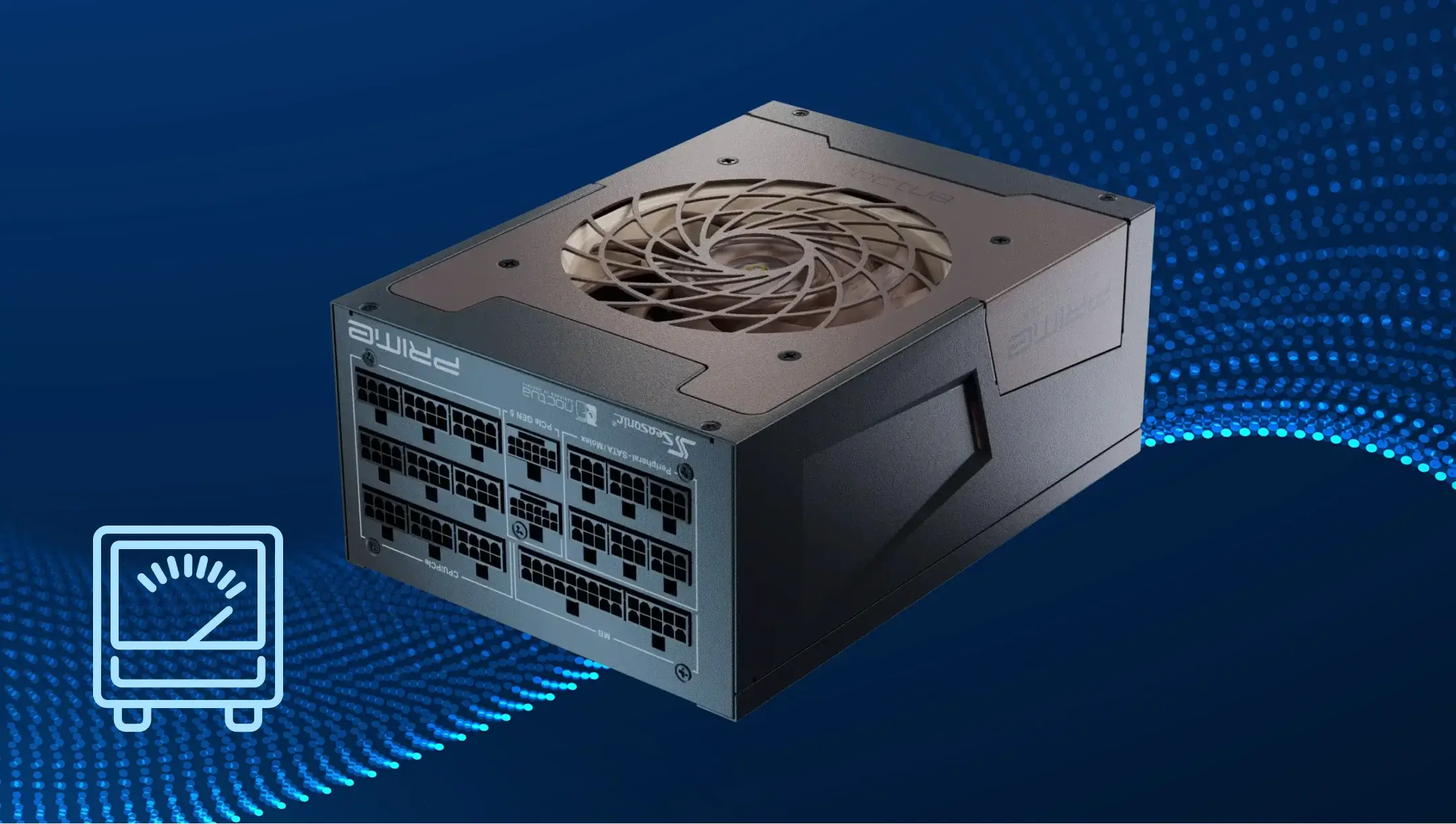
Think of the voltage regulation stage as the power supply’s “autopilot.” Its job is to constantly monitor the output and make micro-adjustments in real-time. When your PC suddenly demands more power (like when you’re booting up a heavy AI render or a high-end game) the voltage naturally wants to drop. The PSU’s controller senses this instantly and adjusts the conversion stages to “push back,” keeping the flow steady and precise.
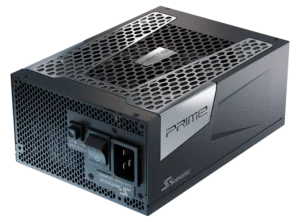
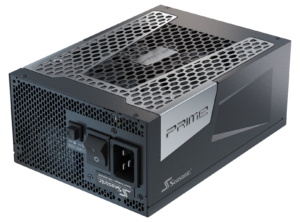
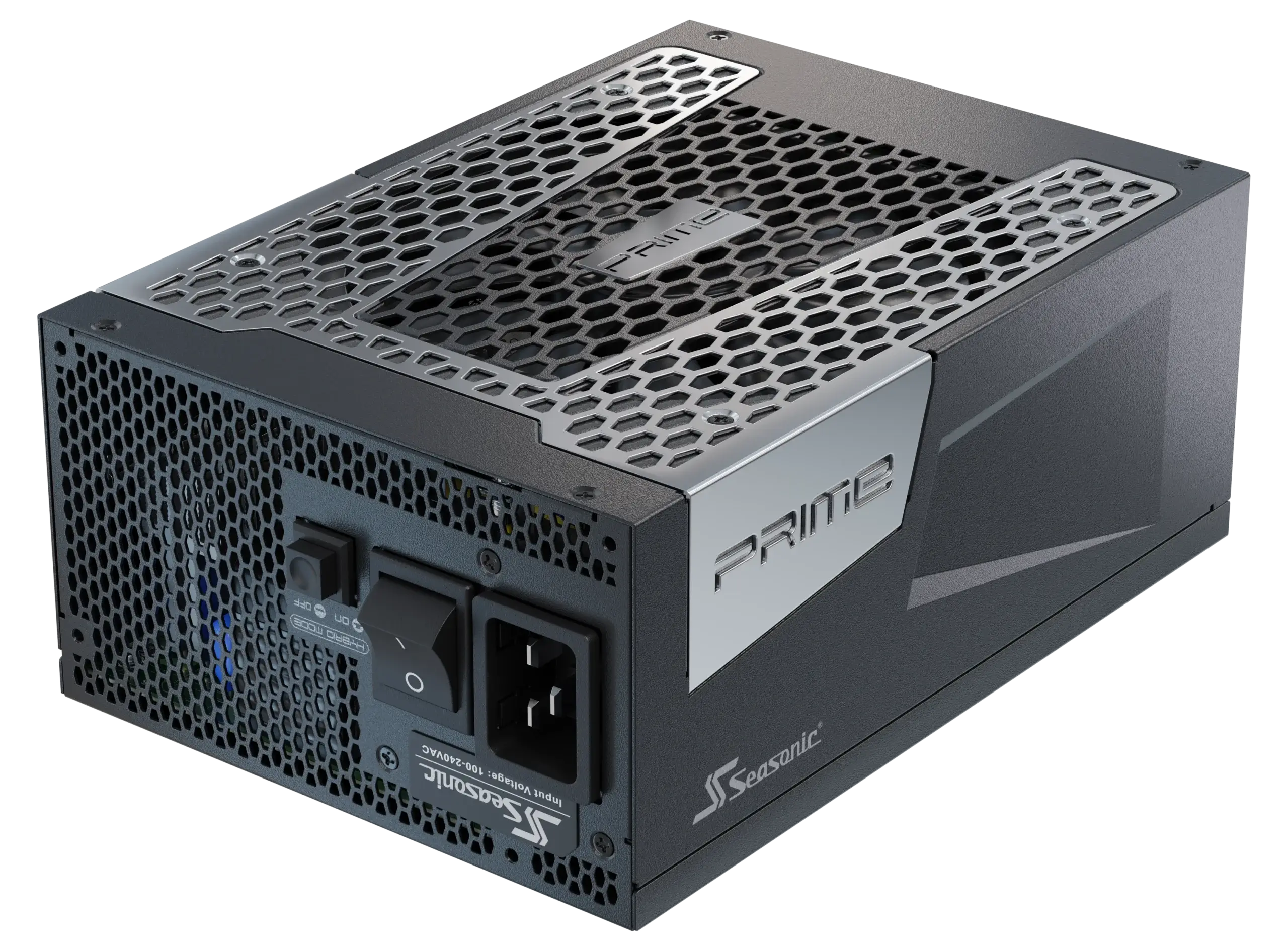
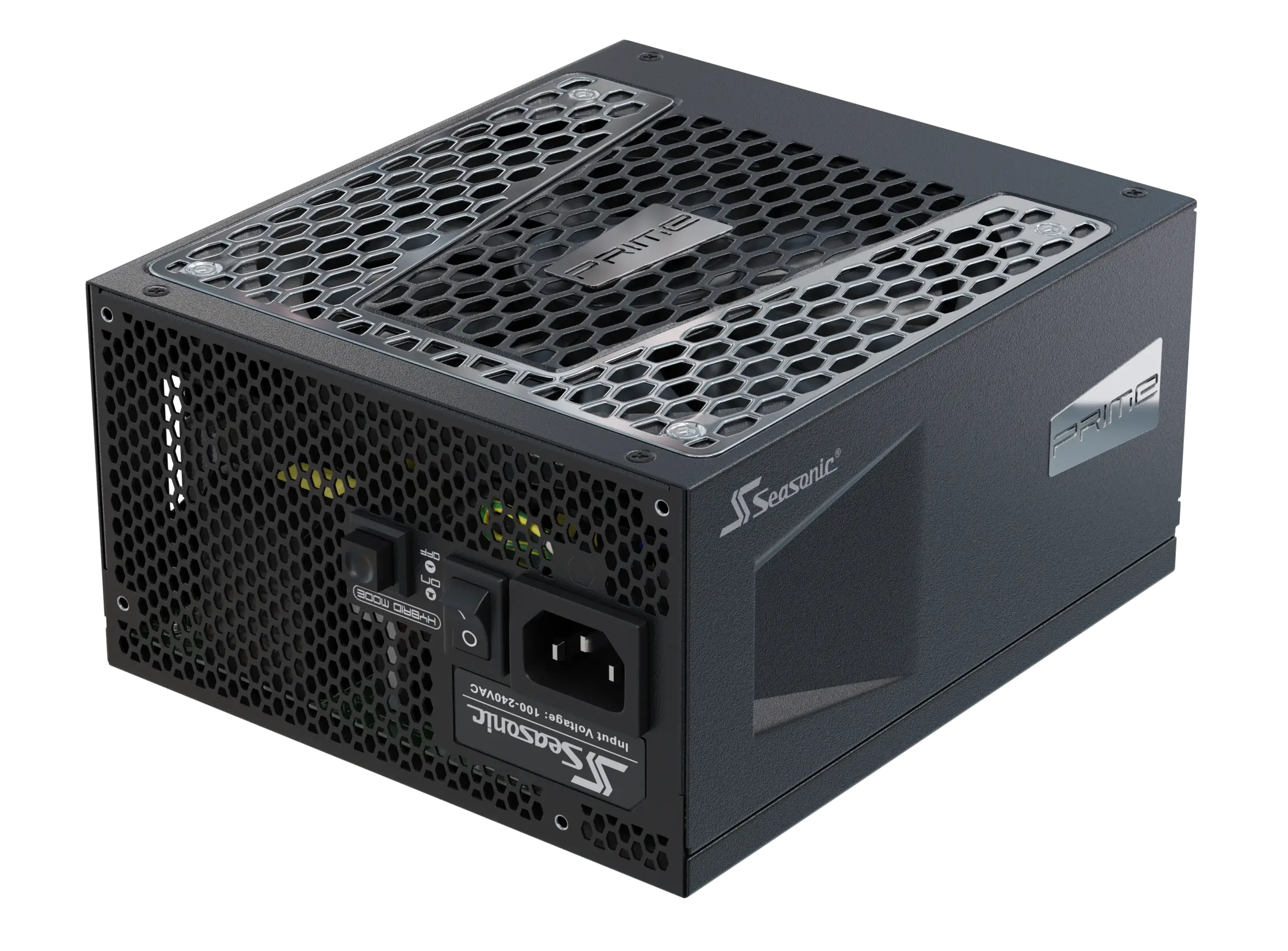
In modern flagship units like the Seasonic PRIME TX (ATX 3.1), this is handled by a sophisticated Full-Bridge LLC resonant converter on the primary side. While most standard units use a simpler half-bridge setup, full-bridge topology uses more power switches to handle high-demand loads with much greater efficiency and less electrical noise. On the secondary side, dedicated DC-DC converters take over to generate the +5V and +3.3V lines independently, so a sudden spike on the main +12V rail won’t cause the other lines to wobble.
To take stability a step further, you use bridgeless interleaved PFC (Power Factor Correction). Instead of forcing all the electrical “work” through a single path, you split the load across multiple parallel paths. By distributing the load across multiple switching elements, you distribute the thermal and electrical stress more evenly. This “interleaved” approach is why top-of-the-line PSUs can deliver such clean, stable power, ensuring that even the most sensitive CPUs and GPUs can run at peak performance without breaking a sweat.
What components are responsible for voltage regulation in a power supply?
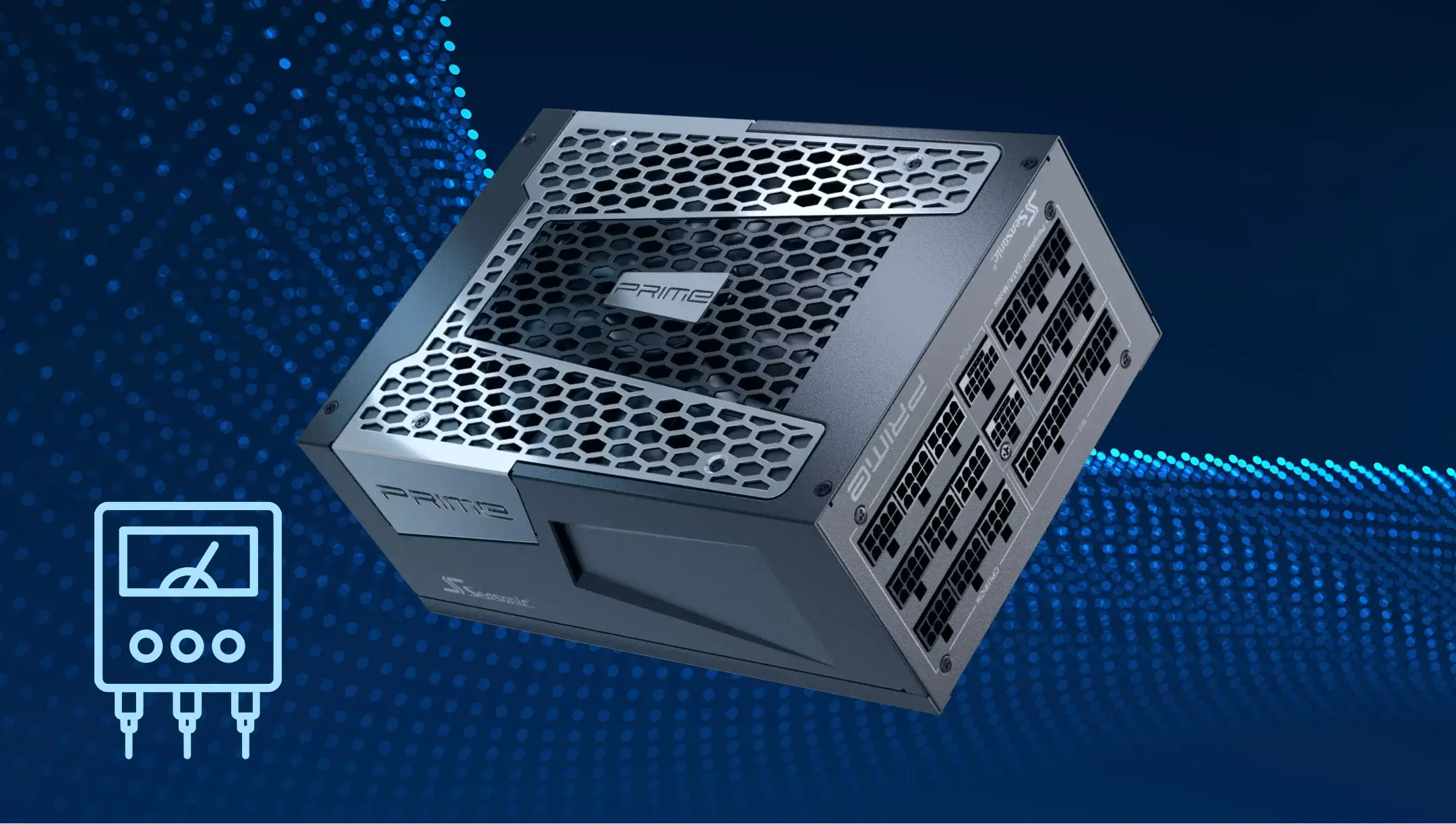
This component combination ensures low ripple and strict compliance with ATX 3.1 standards for power supplies.
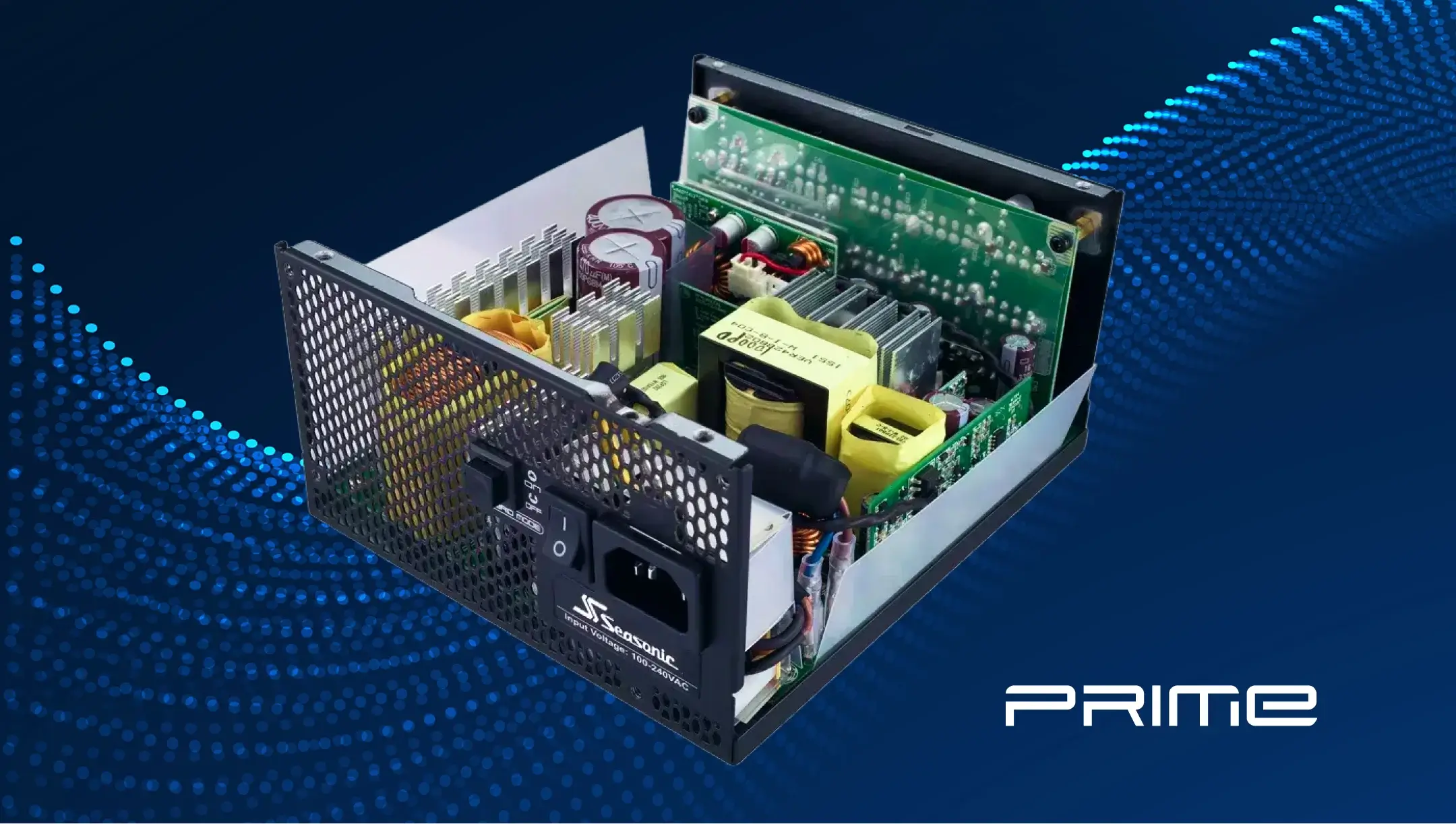
- Converter controller (PWM controller and Digital Controller). They are the brains for power supply voltage regulation, which adjusts the pulse width on the primary side to maintain stability.
- LLC resonant converter (Primary LLC Converter). The core element that converts mains voltage into a stable intermediate high-frequency voltage, minimizing ripple.
- DC-DC converters (Secondary Converters). They are extra modules on the secondary side that precisely adjust +12V, +5V, and +3.3V for stable component operation.
- MOSFET transistors assist as power switches that manage current flow in converters. Their fast and accurate operation is critical for the voltage regulation process and the PSU components’ longevity.
- Chokes and inductors ensure smooth current transitions and reduce output ripple.
- High-quality capacitors (usually Japanese, 105°C) store energy and stabilize voltage, compensating for short-term dips or surges.
Is additional equipment required for proper voltage regulation in a power supply?
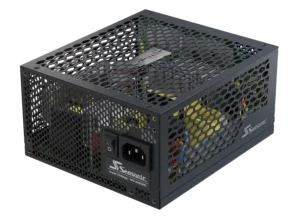
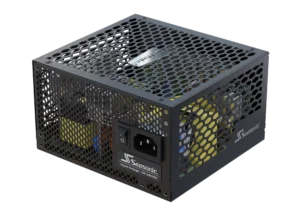
Actually, no – power supplies don’t require anything extra from the user or the system side for better voltage regulation. Modern power supplies, especially in the premium segment (like Seasonic PRIME PSU Series), already have integrated elements for voltage control and regulation in their design. They have a full set of components like powerful converters, DC-DC modules, high-quality capacitors, MOSFETs, and a feedback system.
Using them, the power supply maintains a stable voltage across a wide range of loads without the need for external regulators or stabilizers.
How does poor voltage regulation affect PC performance and hardware lifespan?
Poor voltage stabilization may cause a power supply malfunction or repeatable failures that can also shorten the PSU’s longevity. When the output PSU voltage exceeds acceptable limits, the CPU, GPU, memory, and storage devices receive “dirty” power. In simple terms, electrical voltage that doesn’t correspond to the nominal value and has additional fluctuations or pulsations. This is what primarily can cause system instability, freezes, errors, or graphics artifacts, even when your system operates under normal load.
When this happens once or twice, you might not even notice that something is broken or that worse problems are around the corner. But over time, constant voltage fluctuations create electrical stress on the VRM and capacitors, causing them to wear out much faster. In other words, even reliable and high-end/costly components may fail prematurely if the PSU can’t keep the voltage stable.
What are the features of voltage regulation in Seasonic power supplies?
At Seasonic, we achieved high-quality PSUs’ voltage regulation using the following features and components:
- In the premium series power supplies, we use Micro Tolerance Load Regulation technology. This is a control system that allows for keeping output voltage deviations much tighter than the minimum ATX requirements. In practice, in modern PRIME TX (80 PLUS® Titanium certification) models, this means regulation of less than ±0.5% on the +12V line under typical load conditions instead of ±5%, as allowed by the standard.
- Another feature of Seasonic’s premium power supplies is the use of remote voltage sensing technology. This means that the controller receives a signal about the actual voltage at the ATX connector, not just inside the unit. This allows for compensation for voltage drops in the cables and maintains stable values even more accurately.
- Seasonic experts use only high-quality components that together create a robust system designed to maintain stable operation under all load scenarios. Namely: high-quality Japanese capacitors with an operating temperature of 105°C, high-precision MOSFETs, and multi-stage filtering that reduce ripple and noise.
- Voltage stability under load. Thanks to this design, Seasonic PSUs provide very low deviations (often < ±0.5%) on key lines (+12V, +5V, +3.3V) across a wide range of loads. This is important for modern high-performance motherboards and graphics cards, where even small fluctuations can affect performance stability.
- In modern Seasonic models, the ripple level on all output lines is very low – significantly lower than the industry average. This further contributes to a cleaner power supply to sensitive components and reduces electrical “noise” inside the system.
What do Seasonic experts say about the importance of voltage regulation in power supplies?
Seasonic experts emphasize that output voltage stability is at the heart of reliable PSU operation. Whatever goes inside the system – changes in mains voltage, load, or temperature – it keeps the system working safely and with high-end performance. In engineering terms, it is called the PSU’s ability to maintain consistent and accurate electricity, even when component consumption suddenly changes.
The next statement is that voltage regulation is directly related to the stability of the entire system. A sharp drop in voltage or fluctuation may cause component malfunctions or lower service life, especially with CPUs and GPUs. That’s why Seasonic engineers pay great attention to stabilization schemes and careful control of output lines on all premium power supply models.
Our experts also characterize stable voltage support as the cornerstone of reliable PSU performance under maximum stress. Stable voltage allows the system to operate continuously without freezes or accidental reboots, which is especially important for professional tasks, server platforms, and AI workstations.
Wniosek
Overall, the voltage regulation is a fundamental part of the PSU system that stands as a reliable assistant for safe power flows. It provides stable operation of all modern components, protects the system from surges and pulsations, and extends the service life of the CPUs, GPUs, and other devices. Without it, even a powerful PSU cannot guarantee stability for your system when operating under normal load. But with it, the system operates predictably and durably, exactly what is needed for professional and industrial platforms.