
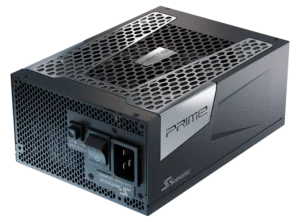
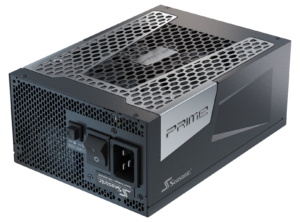
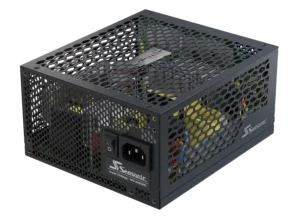
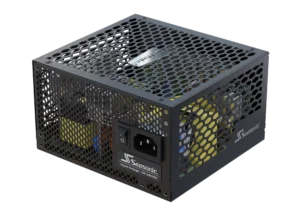
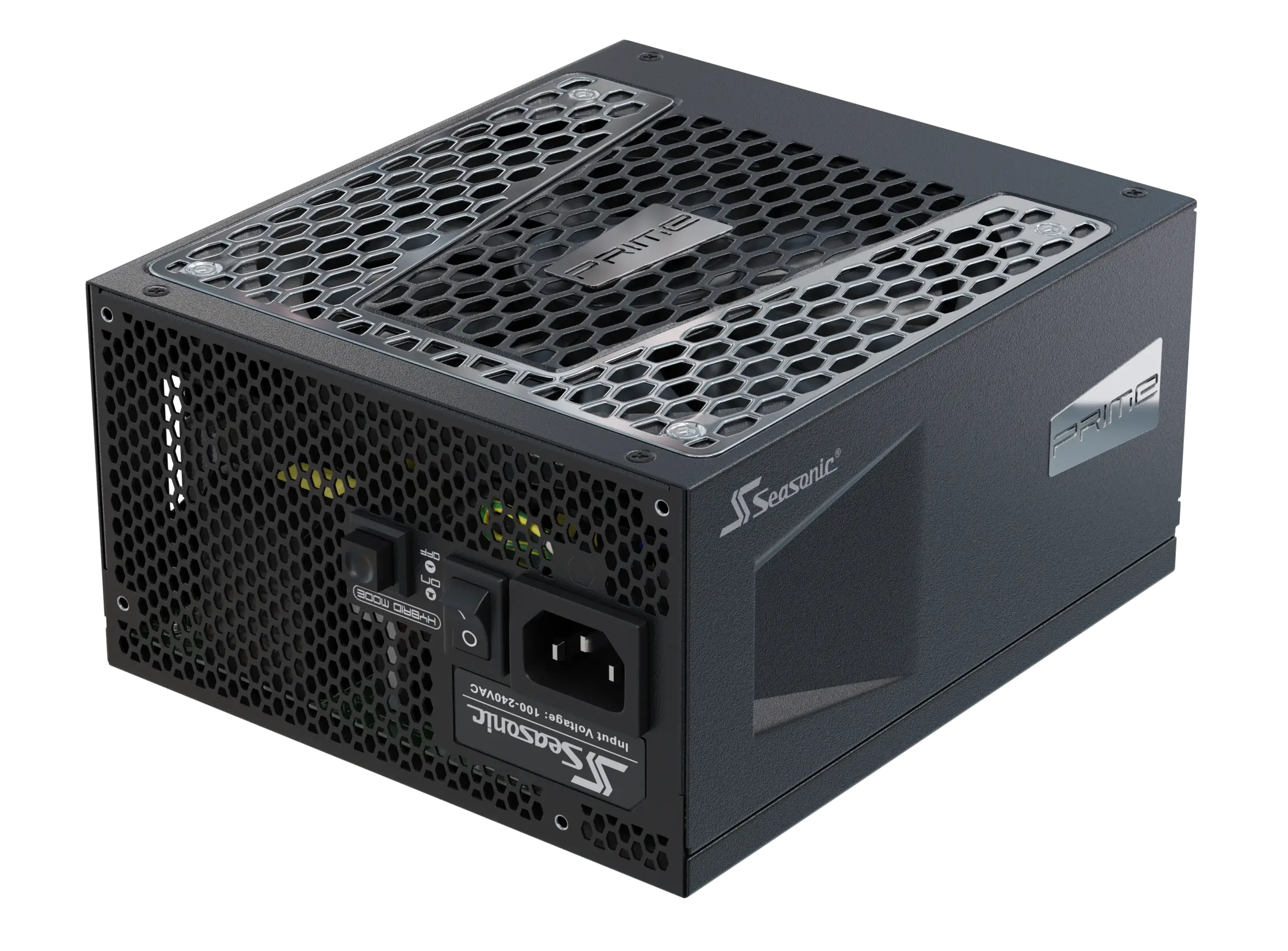
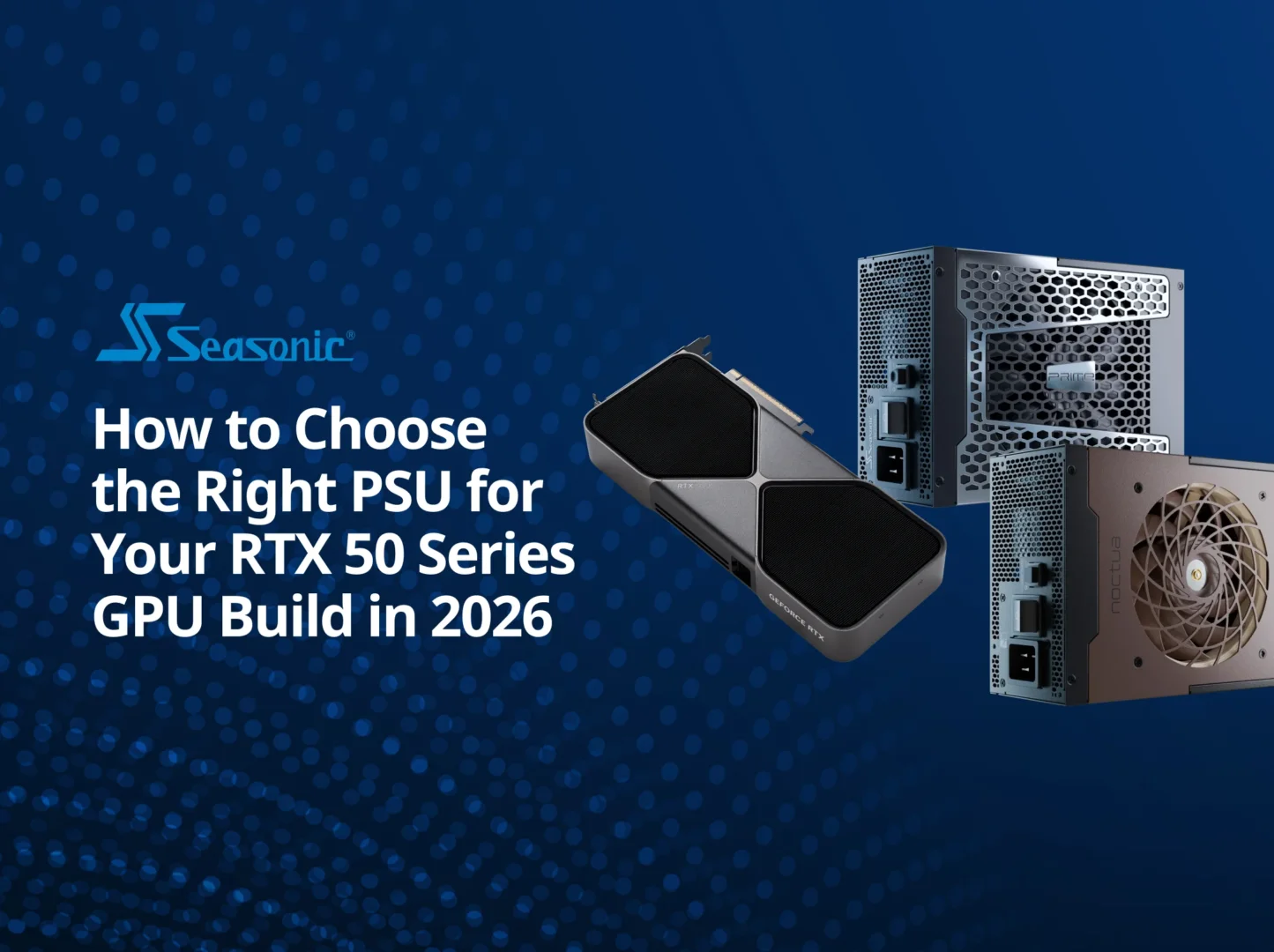

With the RTX 50 series hitting the scene, a strong, reliable PSU is a must to keep everything running smoothly. Seasonic power supplies step up, making sure high-end builds stay stable and giving you a hassle-free, enjoyable experience with your GPU.
RTX 50 series graphics card specifications
The RTX 50 series GPU is a whole new transition to a new architecture with wider memory volume and approaches to its productivity. At its core, it packs a set of upgrades that make it noticeably different from the previous version.
- The electrical scheme is backed by the Blackwell architecture, which introduces new generations of cores for AI and rendering. It’s equipped with 4th-gen RT and 5th-gen Tensor cores to handle ray tracing and AI operations. This means your playing experience or tasks connected with AI computing and ML get a serious productivity boost.
- The 50 series GPUs switch to the GDDR7 memory option. It delivers way more bandwidth than GDDR6 or GDDR6X versions. This is particularly noticeable during 4K gaming or when the PC handles demanding scenes, so the GPU processes data way faster.
- The new 12V-2×6 power standard shows up as a requirement for the entire GPU series. It is designed for high loads (up to ~600 W) and improves connection safety over the last-gen GPUs.
- The 50 series GPUs now support DLSS 4 (and soon 5) with Multi Frame Generation. Simply put, this is when the GPU uses AI to generate extra frames. In practice, this means that even at high settings, you can enjoy smooth gameplay without a direct increase in “raw” power.
- Updated multimedia quality with new generations of NVENC/NVDEC (for streaming and video), DisplayPort 2.1b support for high resolutions and refresh rates, and improved support for professional color formats (4:2:2).
Power requirements for RTX 50 series graphics cards in 2026
If you plan to use the RTX 50 series GPU, be ready – this is a real power monster, and it’ll draw more juice than its predecessors. The whole series uses a 12V‑2×6 connector to deliver up to 600 W of power to the card without any additional adapters. This keeps, for example, the RTX 5090 perfectly powered during gaming or rendering, maintaining stable voltage under load. The power requirements for RTX 50 GPUs vary by model, so focus on what you actually plan to run, or what PSU you already have.
Let’s take the RTX 5090 as an example that can draw up to 575 W TDP. If your PSU isn’t up to the task, you’ll notice FPS drops, fans ramping up like crazy, and even random crashes when pushing Cyberpunk 2077 or rendering heavy scenes in Blender. The GPU just can’t pull enough power, and your rig starts acting up. Therefore, the optimal choice here is a PSU ranging from 1000 W to 1200 W, preferably a top-tier ATX 3.1 model with a native cable.
For the RTX 5080 GPU series, the situation is way simpler. TDP here is rated around 360 W, and a ~850 W PSU already provides a safety margin. In real-world use, whether it’s long 4K gaming or intense rendering, the system keeps running smoothly without stressing the VRMs.
For the mid-segment RTX 5070 and RTX 5070 Ti GPU models, the 650 W–750 W PSU power capacity is enough. Everything runs like a champ, even with GPU overclocking, thanks to the 12V‑2×6 cable keeping power steady and connections solid.
Power consumption of RTX 50 series graphics cards
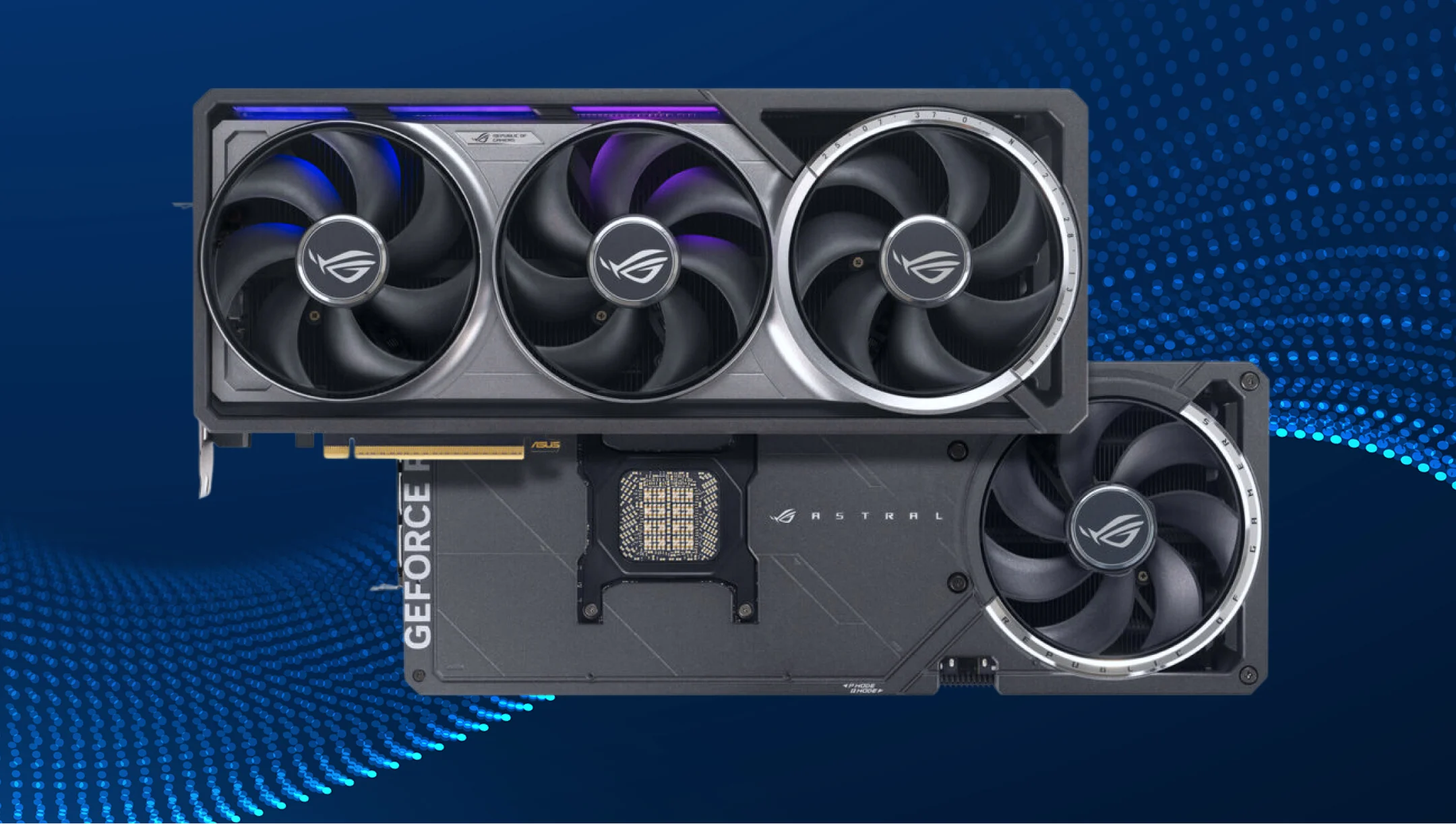
The new-gen RTX 50 series GPUs are surprisingly smart about power, pulling exactly what’s needed, exactly when it’s needed. It’s the kind of efficiency that makes a rig feel solid under load. The RTX 50 series GPU is a smart power consumer. It self-adjusts to whatever you throw at it, but maxing out its performance requires a modern PSU and reliable power.
In light gaming or just watching 4K videos, the RTX 5090 barely sips power, and the rig stays within safe operating conditions – fans whisper, and the PSU barely notices. Here is one factor that you also have to consider – AI optimization via DLSS 4. AI improves the FPS-per-watt ratio, meaning more performance for the same power draw. In practice, this helps maintain smooth gameplay at high settings without significantly increasing power demand or stressing the PSU.
Cooling features in power supplies for RTX 50 series graphics cards
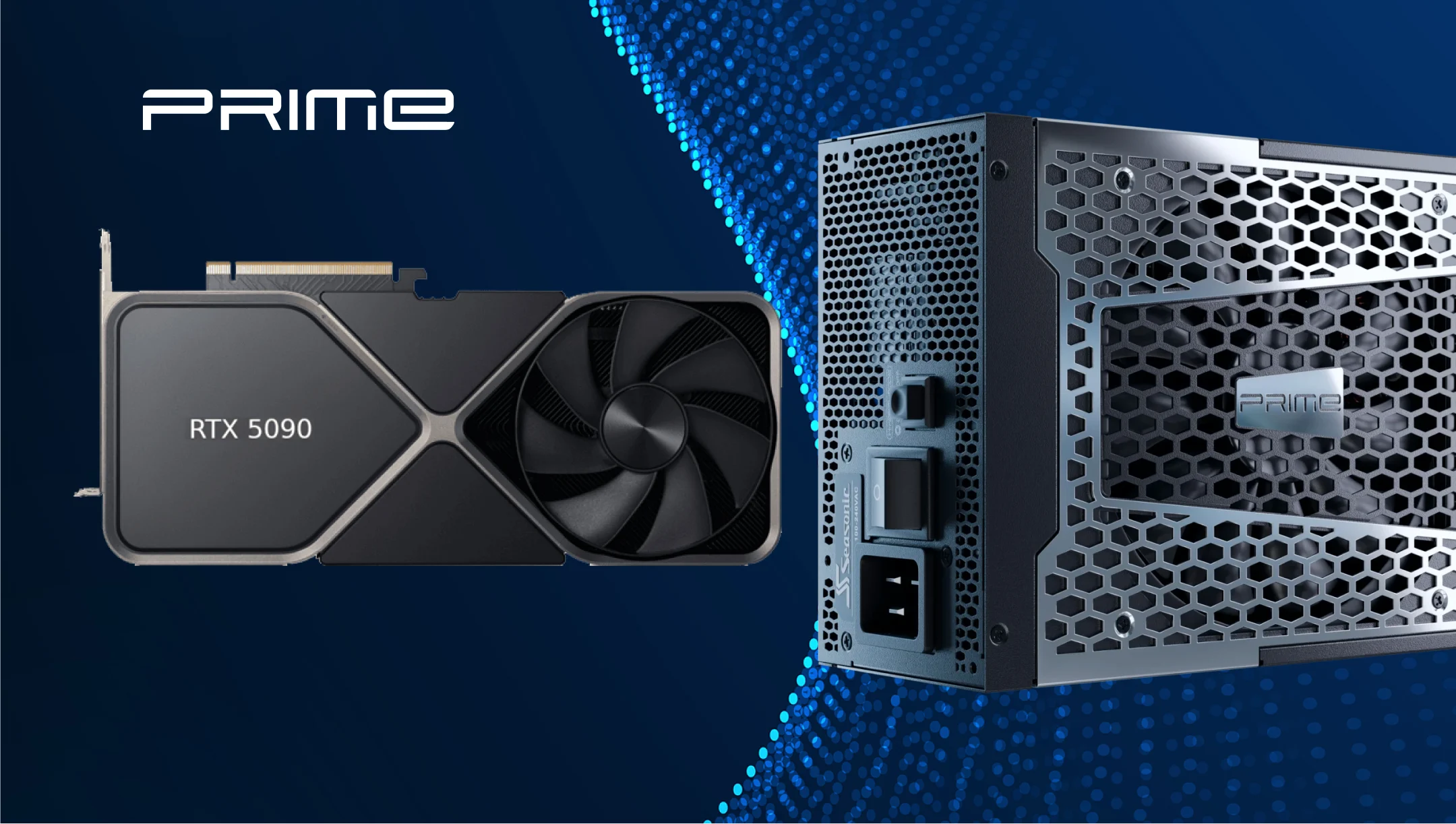
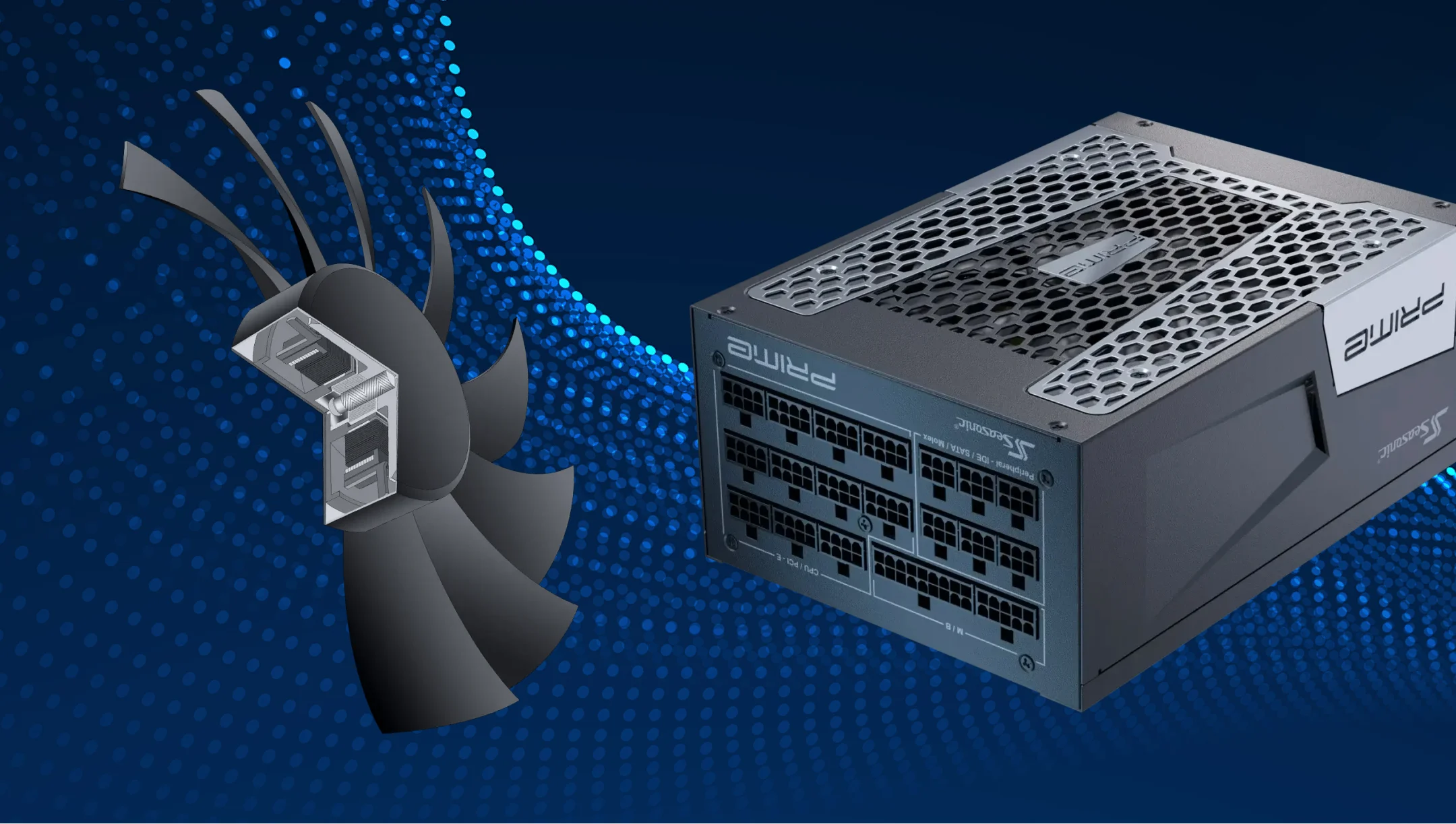
As the RTX 50 series GPU demonstrates high peak power consumption, the cooling features must also come up with these real use scenarios. The PSU that supports these GPUs’ performance must effectively dissipate heat from key components: MOSFETs, chokes, and heat sinks. This shapes the core requirements to PSU from RTX 50 series GPUs – stable high-current output, efficient heat dissipation, a large fan, and adaptive cooling under load.
For this purpose, high-powered PSUs come with big axial fans (120 mm to 140 mm) and smartly designed air ducts that keep airflow moving through all the critical parts of the PSU. The fans are also equipped with a smart system – when power draw is low, they spin quietly, or even stop entirely. When the system hits peak loads, they ramp up smoothly to keep everything cool.
In practical terms, the PSU needs to stay cool and stable under load, delivering clean, steady voltage to the GPU. That’s especially critical for RTX 50 cards, since top models can spike over 500W at peak.
Understanding ATX 3.1 and PCIe 5.1 power standards
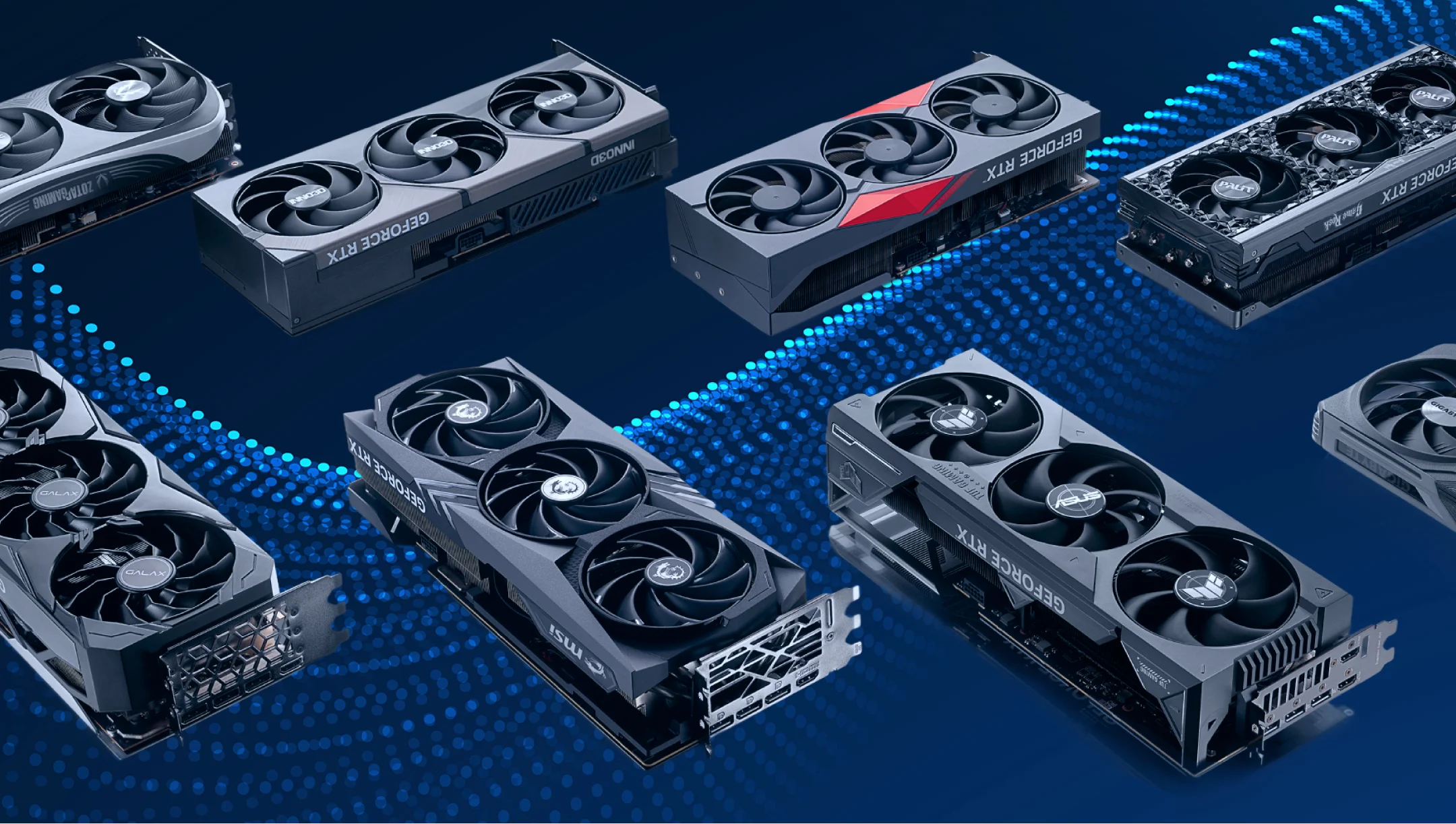
Updated and re-equipped RTX 50 series GPUs also support ATX 3.1 and PCIe 5.1standards as they’re the backbone of smooth, lag-free performance that pro gamers value so much. Let’s disclose their core features.
ATX 3.1 standard is basically the new way PSUs handle power. It’s built to deal with important power excursions (spikes above 600W for a very short period of time) through modern connectors without voltage drops. So when a high-end RTX 50 GPU suddenly needs more power, the PSU keeps things stable, stays cool, and doesn’t hold performance back.
PCIe 5.1 makes the GPU powering even simpler than before. Instead of juggling multiple 6+2 cables, you get a single 12V-2×6 connector pushing up to 600 W. In a real rig, that translates to stable voltage, cooler connections, and no surprises when the GPU starts pulling serious power.
The 12V-2×6 connector: The new standard for modern GPUs
The 12V-2×6 is the current standard for powering modern GPUs, replacing 12VHPWR as part of the PCIe 5.1 standard. You’ll mostly see it in high-load setups, like in PC builds with RTX 50 series. Physically, it’s a 16-pin connector (12 for power and 4 for signal) capable of delivering up to 600W through a single cable.
The real upgrade is in the power control system. The signal pins, placed in the connector, are slightly shorter, so they only make contact when the cable is fully seated. This way, the GPU knows the connection is solid before it pulls full power. The power pins are also longer, providing more contact surface for power to flow safely, which helps avoid overheating and poor contact issues.
Besides powering GPUs more smoothly and safely, it also cleans up the build. Instead of running multiple 8-pin cables, you just use one now. Thus, there are fewer connections, less resistance, and more stable voltage, exactly what high-end GPUs need to perform properly under load.
80 PLUS® PSU efficiency ratings for RTX 50 series GPUs
It’s obvious that efficiency rating also has a great importance for GPUs excellent operation in pair with an efficient power supply. You already know that RTX 50 series GPUs may take up to 500W under high load, so the power supply should deliver them the necessary amount and provide less heat dissipation. 80 PLUS® efficiency standards are all about squeezing the most out of your PSU, giving your GPU stable power while reducing energy loss.
Go for Titanium or Platinum-rated PSUs as they waste less power, stay cool and quiet, and deliver rock-solid voltage when the GPU is pushed to the limit. All in all, this is what defines a solid, high-end setup.
Which Seasonic power supplies are suitable for RTX 50 series graphics cards?
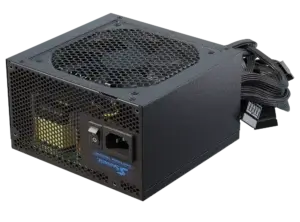
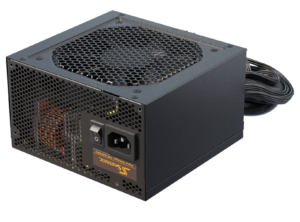
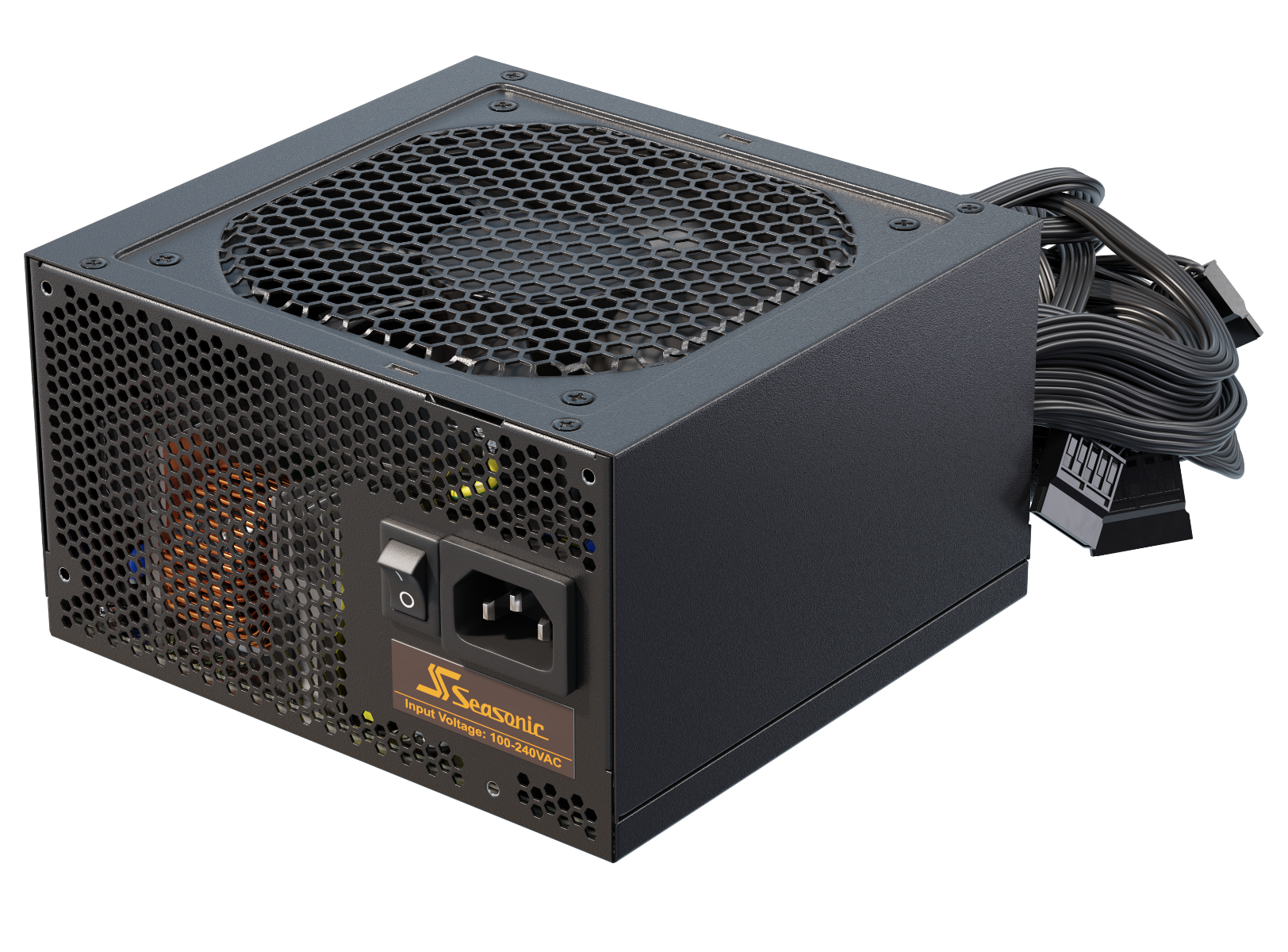
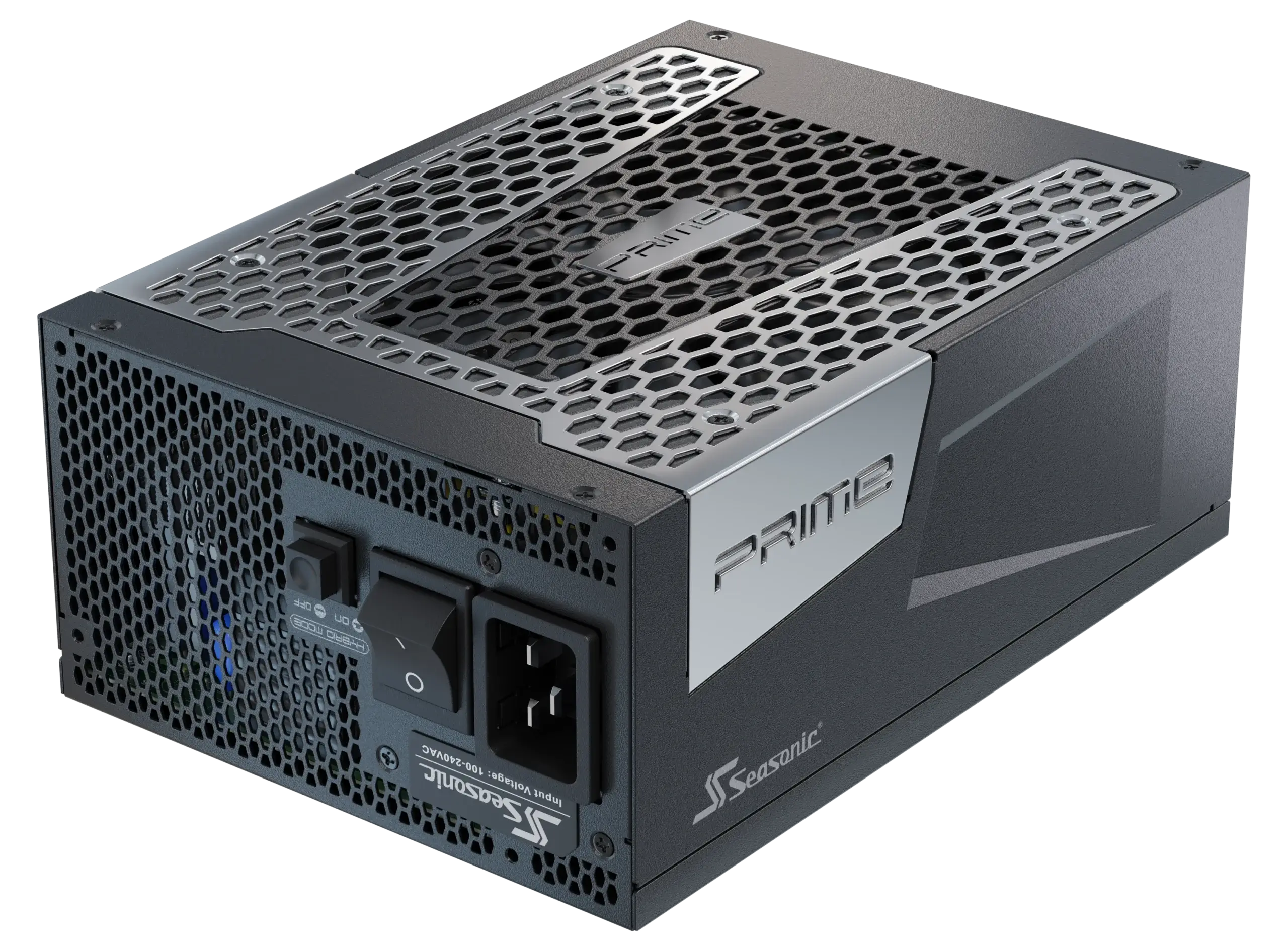
For modern RTX 50 graphics cards, it is important that the PSU supports the new ATX 3.1 / PCIe 5.1 standards and features a native 12V-2×6 output. The following Seasonic PSUs for RTX 50 GPUs perfectly meet these requirements and, in some scenarios, overcome them.
| NVIDIA GeForce RTX 50 Series GPUs | Suitable PSUs models from Seasonic | Short description |
|---|---|---|
| RTX 5090 | PRIME PX-1600 ATX 3.1. | A Platinum-series PSU that is certified for the ATX 3.1 standard and features native 12V-2×6 cables. An excellent choice for high-load and multi-purpose builds. |
| RTX 5090 | PRIME TX-1600 ATX 3.1. | A top-of-the-line PSU, designed for flagship systems and workstations, with RTX 5090 GPU and a high-performance CPU. 80 PLUS® Titanium certification and enough power capacity to withstand all the heaviest tasks that the RTX 50 series GPU is designed to handle. |
| RTX 5090 | PRIME TX-1300 ATX 3.1. | Another high-quality variant with the same 80 PLUS® Titanium certification but in a 1300W version. Nevertheless, it is well-suited for high-performance gaming and workstation platforms featuring flagship GPUs. |
| RTX 5090 | PRIME PX-2200 ATX 3.1. | This is one of the most powerful PSUs on the market, designed for demanding workstations, server configurations, or systems with high power draw peaks. |
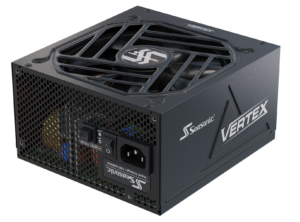
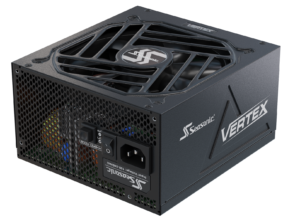
| RTX 5090 | VERTEX PX-1200 ATX 3.1. | The optimal choice for the RTX 5090/5080 GPUs with headroom for the CPU and peripherals. |
| RTX 5080 | VERTEX PX/GX-1000 ATX 3.1. | Powerful PSUs that offer high stability and compatibility with ATX 3.1 and PCIe 5.1 standards. Ideal for gaming PCs and workstations with peak loads. |
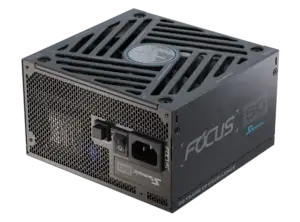
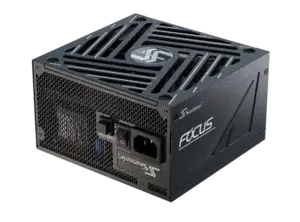
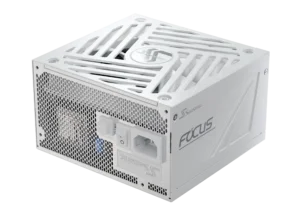
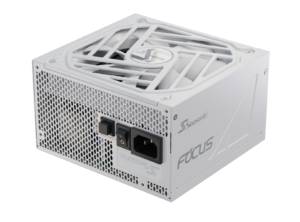
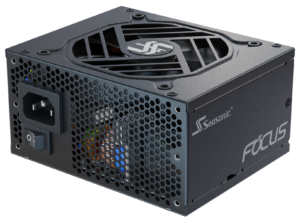
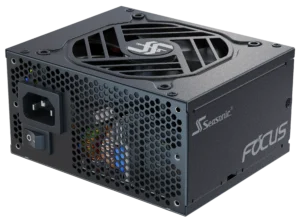
| RTX 5080 | FOCUS GX-1000 ATX 3.1. | A compact yet highly efficient PSU with premium efficiency and quiet operation during peak system loads. Fits high-performance builds featuring modern GPUs from the RTX 50 Series. |
| RTX 5080 | FOCUS GX-850 ATX 3.1. | A reliable power supply unit with high voltage stability and 80 PLUS® Gold efficiency. It handles the demands of modern gaming and creative systems with ease. |
| RTX 5070, 5070 Ti, 5060 | FOCUS GX-850/750 ATX 3.1. | Designed to power most gaming systems, this power supply is compact, quiet, and has plenty of power headroom. It features a modern voltage regulation circuit to ensure the stable operation of core PC components. |
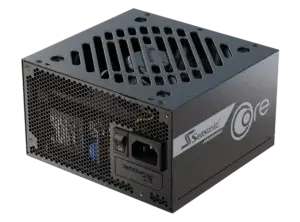
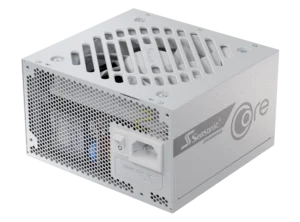
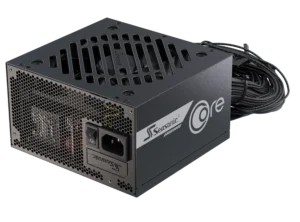
| RTX 5070, 5070 Ti, 5060 | CORE GX-850 ATX 3.1. | A power supply unit featuring classic efficiency and reliable voltage regulation. Suitable for mid-range and high-end builds with RTX 50 series GPUs. |
| RTX 5070, 5070 Ti, 5060 | CORE GX-750 ATX 3.1 | An affordable and reliable solution for standard gaming and creative platforms. It delivers stable power under moderate and peak loads. |
| RTX 5070, 5070 Ti, 5060 | CORE GX-650 ATX 3.1. | This power supply is compact and efficient for systems that use a moderate amount of power. Ensures stable operation of components under both everyday and gaming loads. |
结论
When picking a PSU for an RTX 50 build, it really comes down to three things: reliability, efficiency, and compatibility. You need enough power to cover peak loads, and ATX 3.1 / PCIe 5.1 standards to make sure that power stays stable. Modern connectors like 12V-2×6 keep things simple and safe and add to your build productivity. As an outcome, you get a GPU and system that runs smoothly, quietly, and has extra space for future upgrades.