
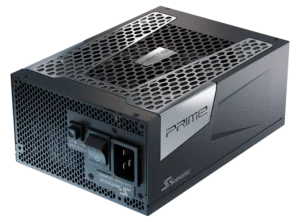
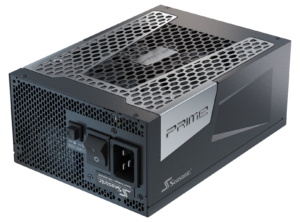
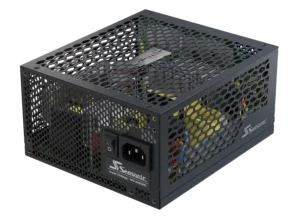
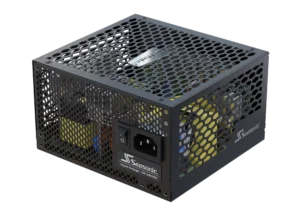
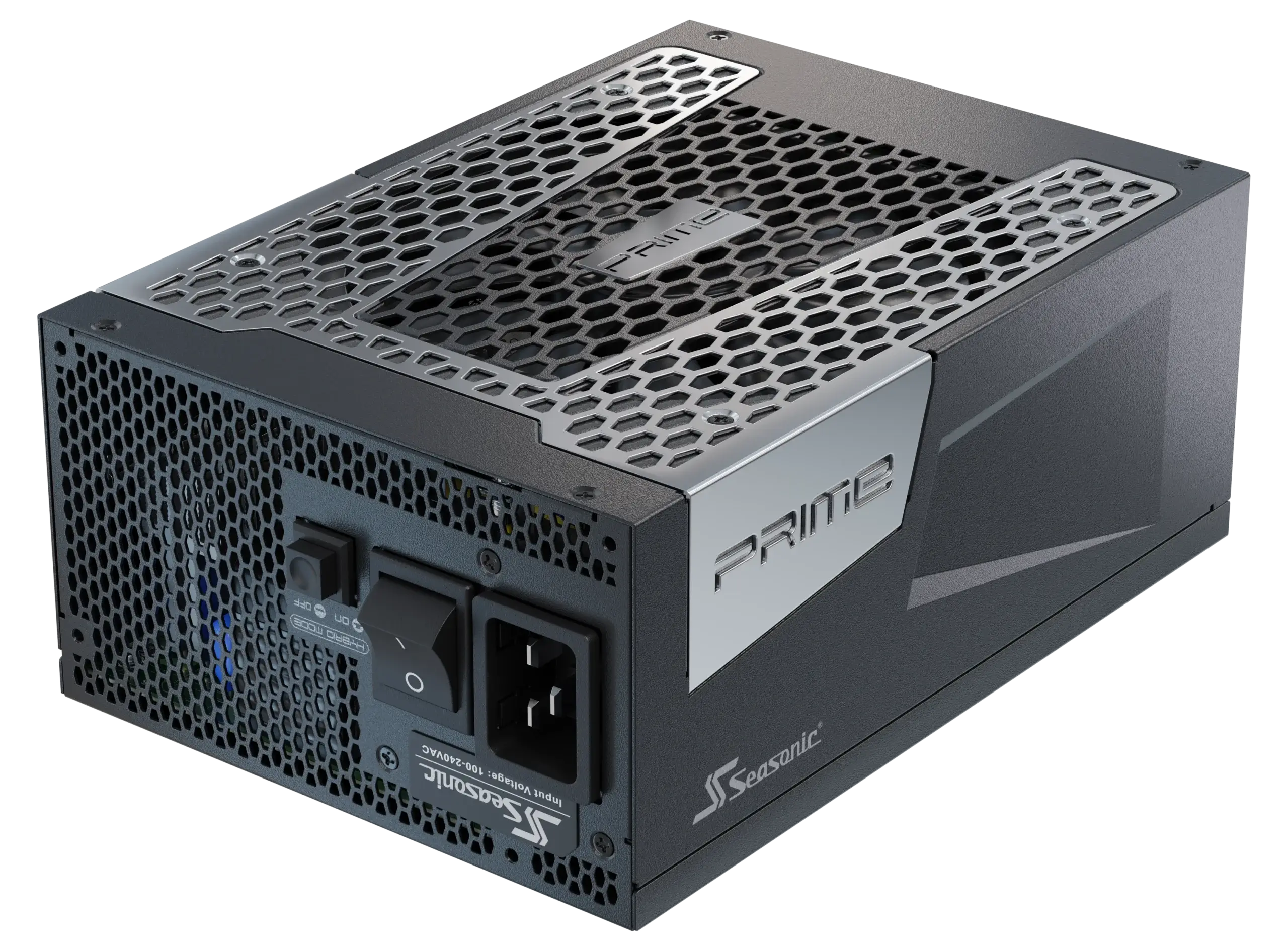
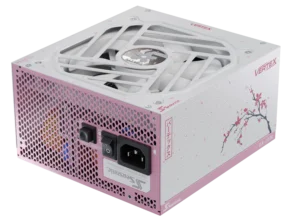
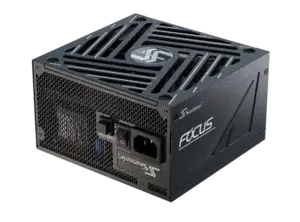
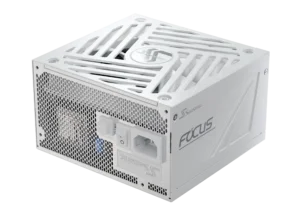
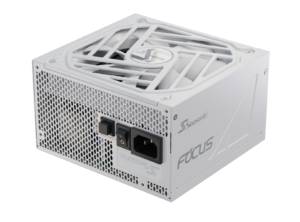
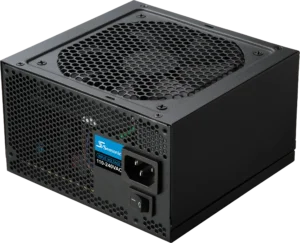
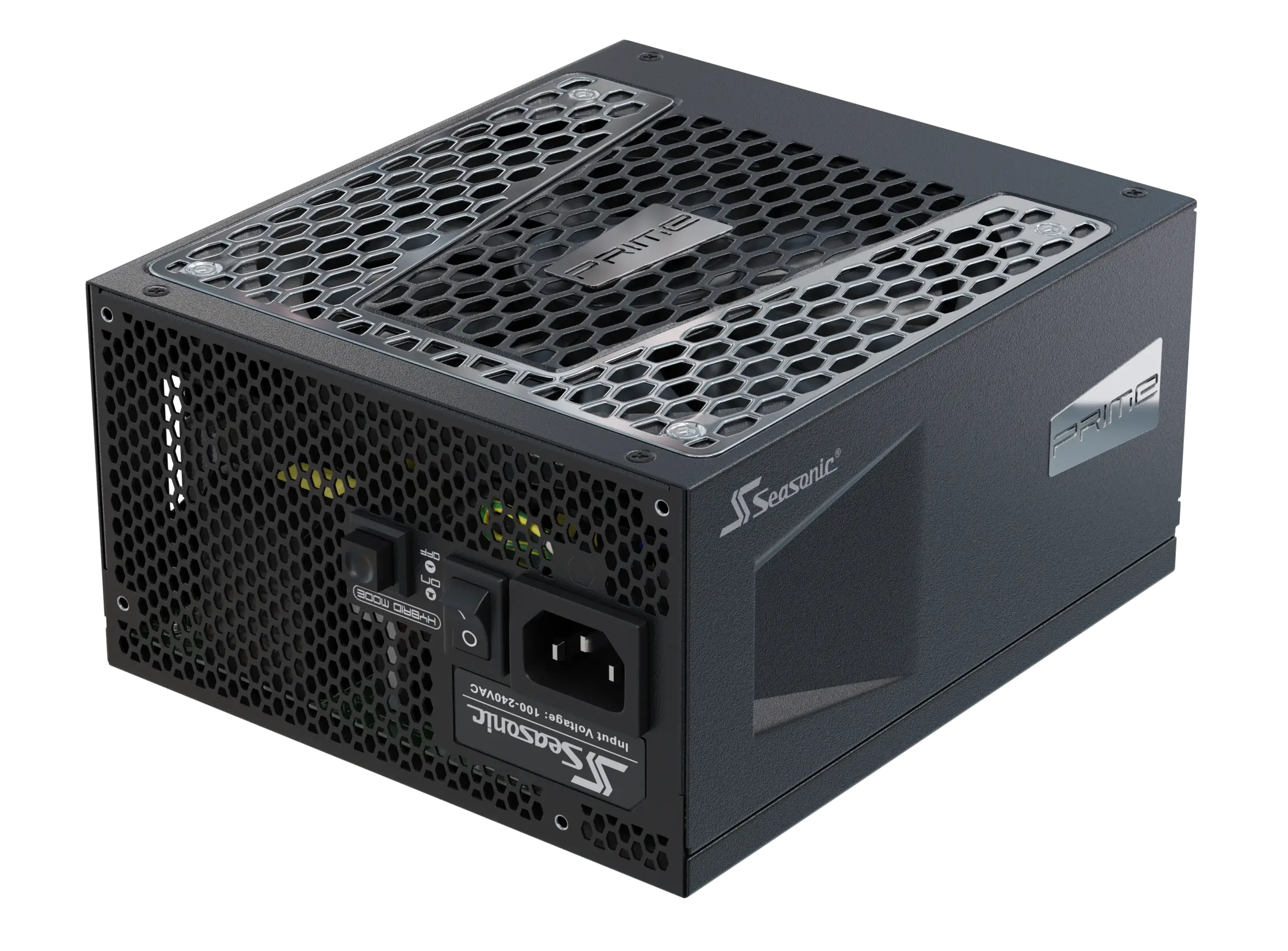
Efficiency has always been a main goal in the design of power supplies, as loss during the conversion of power imposes added costs in general.
The Power of Large Numbers
Today there are over 10 billion electronic power supplies in use worldwide where the typical efficiency of these AC/DC power supplies lies around the range of 80%. Today’s technology can achieve much higher efficiency at around 95%, or even higher, with better performing components. It is not hard to see how a simple 1% efficiency improvement per unit would impact worldwide energy consumption when we are dealing with metrics of this scale.
The History of Certifications
Until the early 2000s, power supplies did not have any efficiency certification, and it was not until 2004 that the first initiative to create an efficiency standard emerged.
The 80 PLUS® program was designed and is administered by Ecos Consulting, an energy efficiency firm that leverages the power of the market to accelerate sales of energy-efficient technologies.
Back in the days, Sea Sonic partnered with Ecos Consulting to work out uniform efficiency standards, and in 2005, Sea Sonic was the first manufacturer to market with the world’s first 80 PLUS® certified PC power supply (the Seasonic SS-400HT). Since then, 80 PLUS® certified power supplies have almost become a de facto component in a PC system.
Understanding Efficiency
Efficiency certification helps consumers know how efficient the power supply is.
The percentage number of efficiency is derived by dividing the output power by the input power; the higher this number, the more efficient the power supply is. The input power lost in the conversion is transformed into heat.
Since higher-level 80 PLUS® power supplies require higher quality components and more sophisticated manufacturing; they tend to have better build qualities than low-efficiency power supplies. Passing 80 PLUS® testing also indicates that the power supply is able to deliver its full rated wattage, which is another quality indicator for consumers.
Cybenetics
Cybenetics is a PC hardware testing and certification company. It was founded with the intention of revolutionizing the way power supply units are tested and compared in order to give end users a clearer picture of the power products they buy for their systems.
The importance of measurements
The basic asset methodology is that Seasonic doesn’t take only three or four measurements to define the efficiency or noise output of a PSU. On the contrary, it is applied more than 1450 different load combinations, starting from a minimal load and up to a full one; we get the average efficiency and noise readings, which define the PSU’s efficiency and noise ratings.
This way, Seasonic has the PSU’s full operational map so it can be checked everything, not only efficiency and noise but also voltage regulation, ripple, and other important data.
| Efficiency Levels (115V inputs) | Efficiency (1) (2) | Pf (3) | 5Vsb Efficiency (1) (3) (4) | Vampire Power (3) |
|---|---|---|---|---|
 Diamond Diamond | <293% overall efficiency | <20.985 | <79% | <0.10 W |
 Titanium Titanium | <291% & <93% overall efficiency | <0.980 | <77% | <0.13 W |
 Platinum Platinum | <289% & <91% overall efficiency | <0.975 | <76% | <0.16 W |
 Silver Silver | <85% & <87% overall efficiency | <0.960 | <73% | <0.22 W |
 Bronze Bronze | <282% & <85% overall efficiency | <20.950 | <71% | <0.25 W |
 Gold Gold | <87% & <89% overall efficiency | <0.970 | <75% | <0.19 W |
Cybenetics uses comprehensive and modern methodology
- An unlimited number of sample measurements
- Hight ambient temperature
- 5VSB measurements
- Vampire power measurements
- Modern reports of the equipment
- Right efficiency badges
80 PLUS®
80 PLUS® offers six different efficiency certifications
| 80 PLUS Certification | 115 V Internal Non-Redundant | 115 V Industrial | ||||||
|---|---|---|---|---|---|---|---|---|
| 80 PLUS Certification | 10% | 20% | 50% | 100% | 10% | 25% | 50% | 100% |
 80 PLUS 80 PLUS | - | 80% | 80% | 80% PFC > 0.90% | - | |||
 80 PLUS Bronze 80 PLUS Bronze | - | 80% | 80% PFC > 0.90% | 80% | - | |||
 80 PLUS Silver 80 PLUS Silver | - | 80% | 80% PFC > 0.90% | 80% | 80% | 80% PFC > 0.90% | 80% | 80% |
 80 PLUS Gold 80 PLUS Gold | - | 80% | 80% PFC > 0.90% | 80% | 80% | 80% PFC > 0.90% | 80% | 80% |
 80 PLUS Platinum 80 PLUS Platinum | - | 80% | 80% PFC > 0.90% | 80% | 80% | 80% PFC > 0.90% | 80% | 80% |
 80 PLUS Titanium 80 PLUS Titanium | 90% | 80% PFC > 0.90% | 80% PFC > 0.90% | 80% | - | |||
| 80 PLUS Certification | 230 V Internal Non-Redundant | 230 V Industrial | ||||||
|---|---|---|---|---|---|---|---|---|
| 80 PLUS Certification | 10% | 20% | 50% | 100% | 10% | 25% | 50% | 100% |
| 80 PLUS | - | 80% | 80% | 80% PFC > 0.90% | - | |||
| 80 PLUS Bronze | - | 80% | 80% PFC > 0.90% | 80% | - | 80% | 80% PFC > 0.90% | 80% |
| 80 PLUS Silver | - | 80% | 80% PFC > 0.90% | 80% | - | 80% | 80% PFC > 0.90% | 80% |
| 80 PLUS Gold | - | 80% | 80% PFC > 0.90% | 80% | - | 80% | 80% PFC > 0.90% | 80% |
| 80 PLUS Platinum | - | 80% | 80% PFC > 0.90% | 80% | - | 80% | 80% PFC > 0.90% | 80% |
| 80 PLUS Titanium | 90% | 80% PFC > 0.90% | 80% | 80% | 40% | 80% | 80% PFC > 0.90% | 80% |