
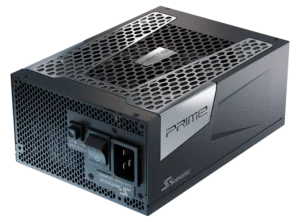
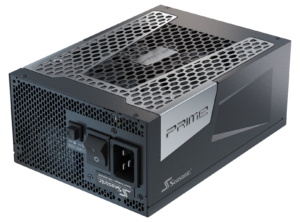
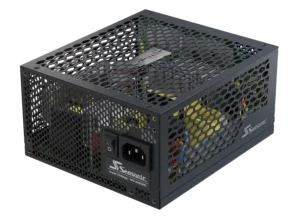
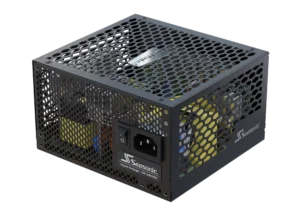
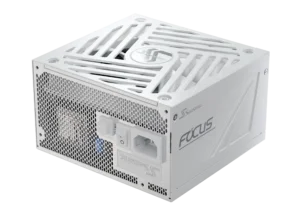
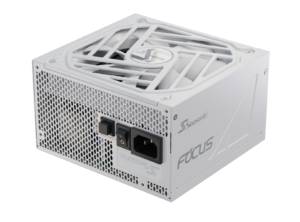
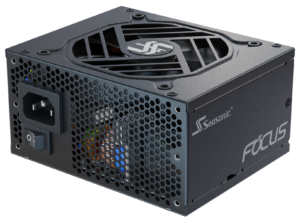
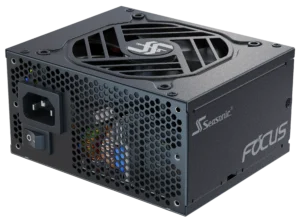
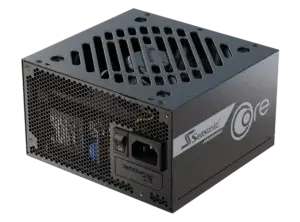
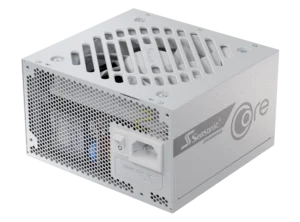
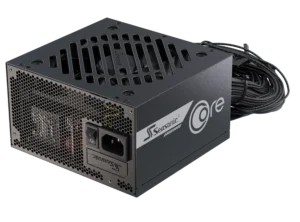
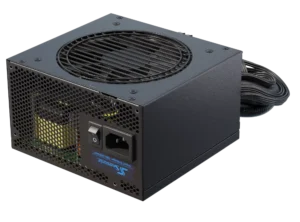
Explore how PSU design improves cooling, extends lifespan, and ensures system safety. Understanding this guide below can assist you when choosing a PSU to power your specific PC tasks. This article also highlights Seasonic power supplies, which perfectly meet the highest expectations.
How is PSU design related to PC performance?
Power supply design combines a set of components, assemblies, built-in functions, and processes that together eventually deliver stable power to your PC. This complex architecture is what affects your computer’s performance and stability. Each of these carefully selected components and features has its own special purposes and tasks to support the quality of the entire power supply unit.
Here are the key aspects of PSU design and their impact on PC performance:
- The PSU components architecture – The location of capacitors, transformers, and chokes affects electrical noise and voltage stability.
- Cooling system – it includes built-in fans combined with optimized airflow design for the most quiet operation. The placement of air channels in the PSU case directly impacts the cooling efficiency of your entire PC.
- Cable modularity and space planning – A well-thought-out cable design reduces the distance to supply power to components, minimizing voltage drops. You can achieve this by using either fully modular or semi-modular cables. Fully modular cables are usually preferred because they avoid clutter inside the PC case, improving ventilation and reducing dust accumulation.
- Use of high-quality materials – Solid-state capacitors and improved, high-quality coils reduce energy loss and increase durability. Additionally, a metal power supply case and proper grounding reduce electrical interference.
- Ergonomics and installation – Following ATX, SFX, or other form factor requirements makes it straightforward to purchase and integrate the proper PSU into the case.
Good to remember – picking a reliable PSU with a solid design is key to keeping your PC and its components running smoothly and efficiently under different levels of loads, all the while you can rest assured that the power supply will always be able to handle the tasks you need to perform.
Why is the power supply the foundation of reliable computing?
The power supply is “The Heart of Your System” as it is the most important component to provide a stable and safe flow of electric power to all system components. Its stable and reliable operation depends on how effective the PSU design is, what kind of built-in components it has, and what additional features help it power your PC safely. Seasonic engineers are outstanding at optimizing the complexity of these design elements so that the resulting build can positively contribute to solid PC performance.
High-quality power supplies are equipped with built-in protection against different unexpected occurrences or potential failures, such as overvoltage, short circuits, overloads, and the like. Solid protection features guarantee the safety of both the power supply itself and your PC components. Being “the heart of your system”, the PSU not only powers the entire PC but it also prevents damage to all components of the PC, should there be any electrical anomalies occurring.
High-efficiency PSUs with high-level 80 PLUS® or top Cybenetics certifications significantly reduce energy losses that typically manifest themselves in the form of excess heat produced. High-efficiency power supplies ensure that your PC components constantly get the power they need to run smoothly and handle tasks at all times. In addition, high efficiency in general saves you electricity, lowers your running costs, and also lowers the temperature inside the case, improving cooling and system stability as well.
How does PSU cooling prevent overheating and system instability?
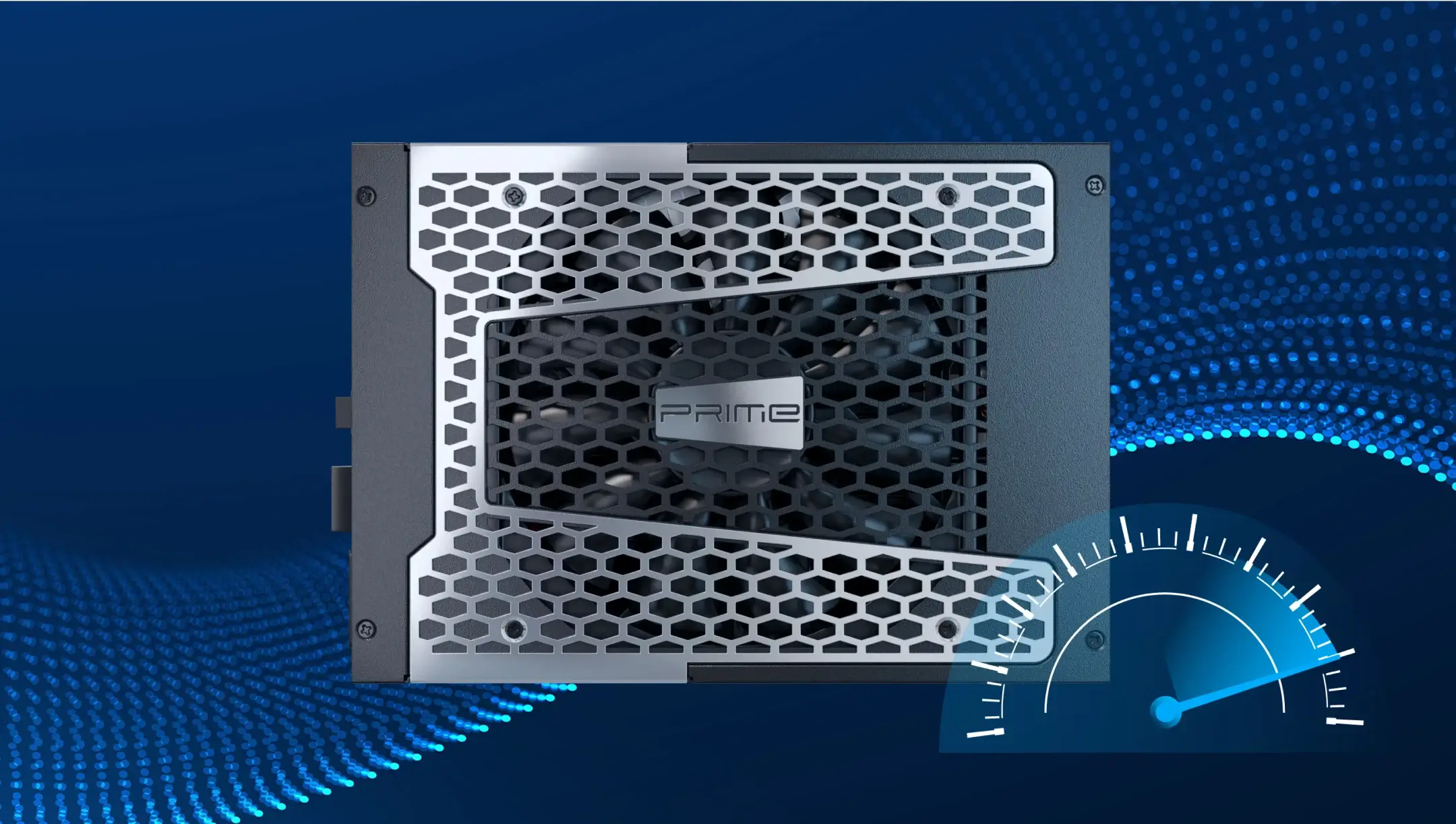
An important element of power supply design is related to the cooling of the power supply itself, which in the end has a strong effect on the general cooling characteristics of the entire PC. The design features affecting cooling present themselves in the following ways:
- High-efficiency power supplies in general consume less energy, which also means that less excess heat gets wasted during operation. This important design feature reduces internal temperatures and improves overall airflow inside the PC case as well. Our recommendation is to choose 80 PLUS® Platinum- or Titanium certified power supplies as much as possible.
- Most modern power supplies have built-in fans with advanced control systems, often referred to as “hybrid mode”. Technically speaking, hybrid-mode-equipped power supplies only activate PSU cooling when there is increased load or the temperature inside the case gets too high for some reason. PC overclockers and users who use their PC as a workstation for heavy computational tasks benefit most from the effective cooling of a great power supply, which also means that they enjoy the added benefit of lessened power supply fan noise.
- The PSU is always designed to dissipate excess heat through the following ways:
- convection (active with a fan or passive through ventilation holes and other design elements),
- thermal conductivity (metal case and radiators).
- Built-in Over-Temperature Protection (OTP) functions automatically, leading to the shutdown of the PSU when the critical temperature is reached. This protection feature prevents damage to both the power supply itself and all other system components.
How do modular designs and smart layouts improve airflow?
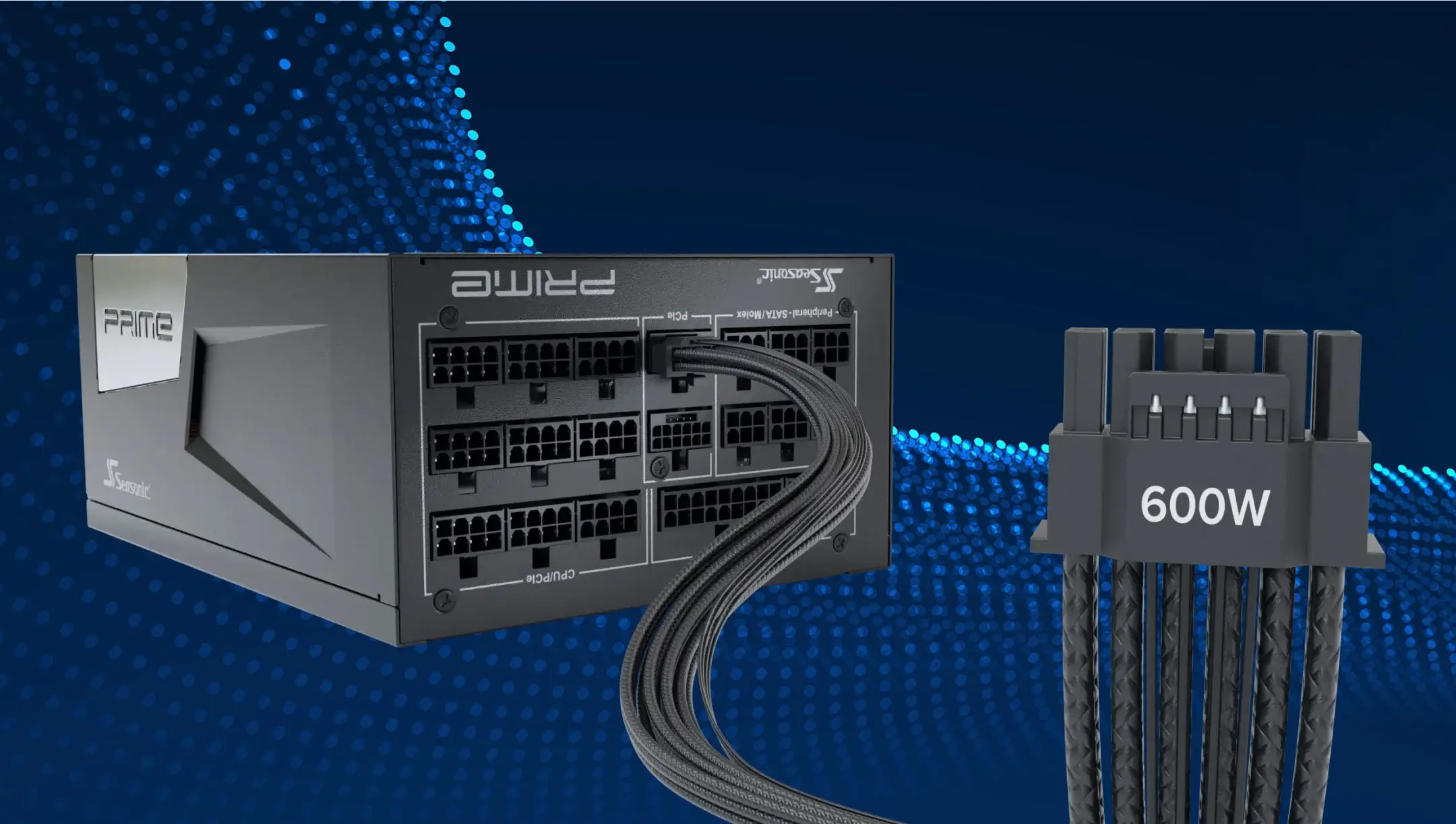
Modular design and smart cable management reduce the risk of dust buildup on the PC components, which also lessens the risk of component overheating. When there are fewer surfaces inside the PC for dust to settle on, it creates a safer environment for stable operations, and also there is easier access for cleaning, when necessary. Modular power supplies allow you to connect only the cables you need for specific PC components. Unnecessary cables remain outside the case and do not create clutter inside. At Seasonic, we understand the need for smart cable management inside the case. It’s become more convenient to work with components, change or clean them. That’s why Seasonic power supplies in premium lines have a fully-modular design. As a balance of aesthetics inside the case, and preventing clutter or potential risks.
When cables are arranged in such a way that there is empty space in the case, it allows cold air to flow more easily to the components, which lowers their temperature and increases stability. Premium configurations allow you to use cables of precise lengths or with special braiding. In essence, they eliminate clutter from unnecessary loops and open a clear path for air, while protecting the cable itself from damage and crushing. So, for instance, upgrading to a braided CPU power cable can also improve airflow inside the case.
Modular design is especially important when PC users leverage small form factors (SFF or ITX). Compact cases do not have space for extra cables, so modular PSUs are the solution.
PC users also speak highly of the benefits and advantages of modular design. They note that even in compact environments without excess cables, air flows much better, which lowers the temperature of the entire PC. This small but smart step will protect both the power supply and PC components from overheating and other damage.
How do fan technologies affect noise levels and cooling efficiency?
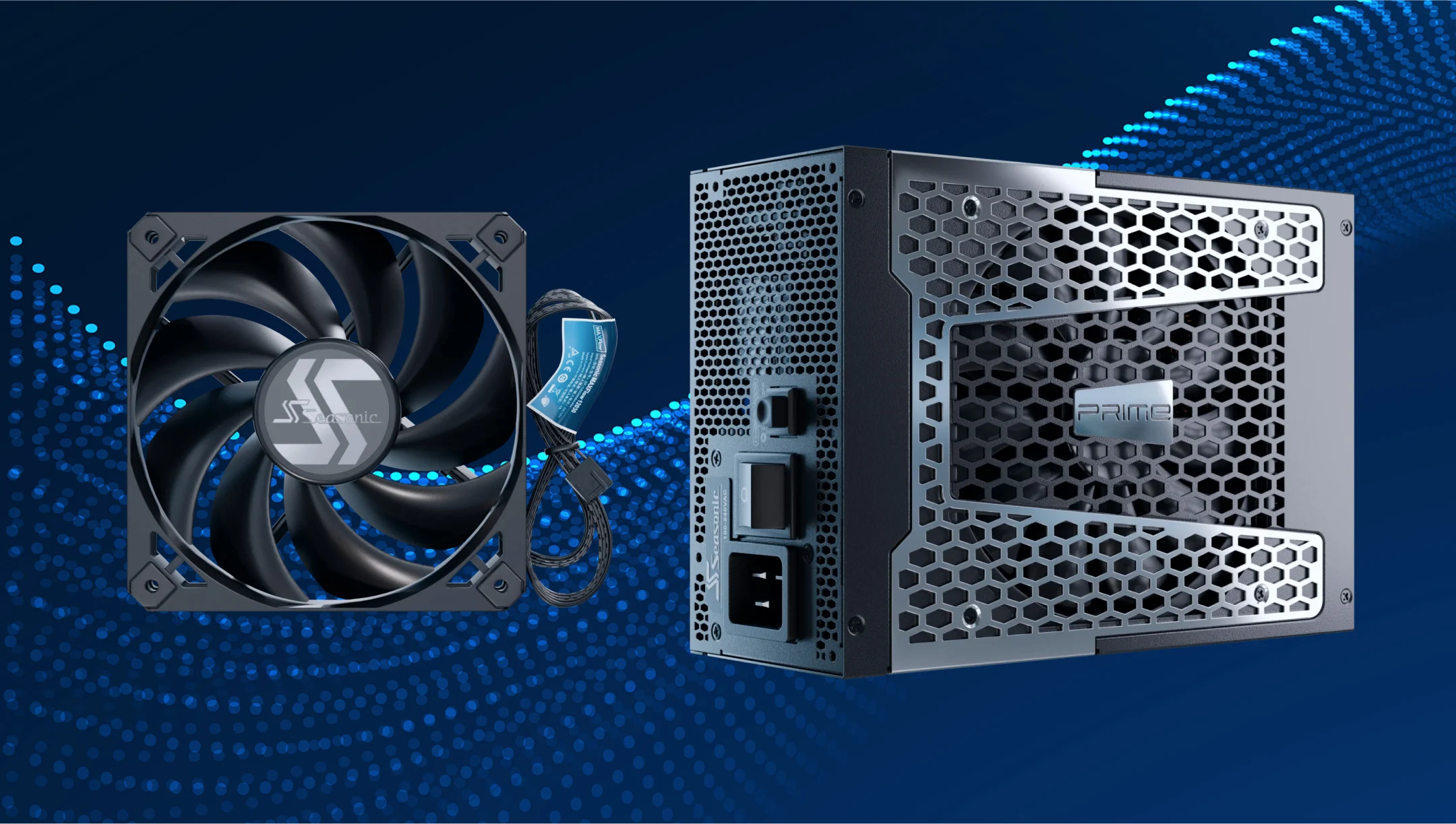
The latest fan technologies in power supplies strike a balance between cooling and quiet operation. This is the result of the synergy between innovative technologies built into fans’ systems and smart designs that increase the efficiency of the power supply and contribute to its quiet operation.
To choose the cooling system that is right for your build, you can use the cooling configurator tool, which works similarly to a wattage calculator. You enter your PC component data into the online tool, and it picks the most suitable and efficient cooling system for your PC.
Here’s what you also should know about how fan technology impacts both noise levels and cooling efficiency:
- Large fans can move more air at lower speeds, which significantly reduces noise levels. For example, with the same airflow, a smaller-diameter fan must rotate faster, creating more noise due to turbulence.
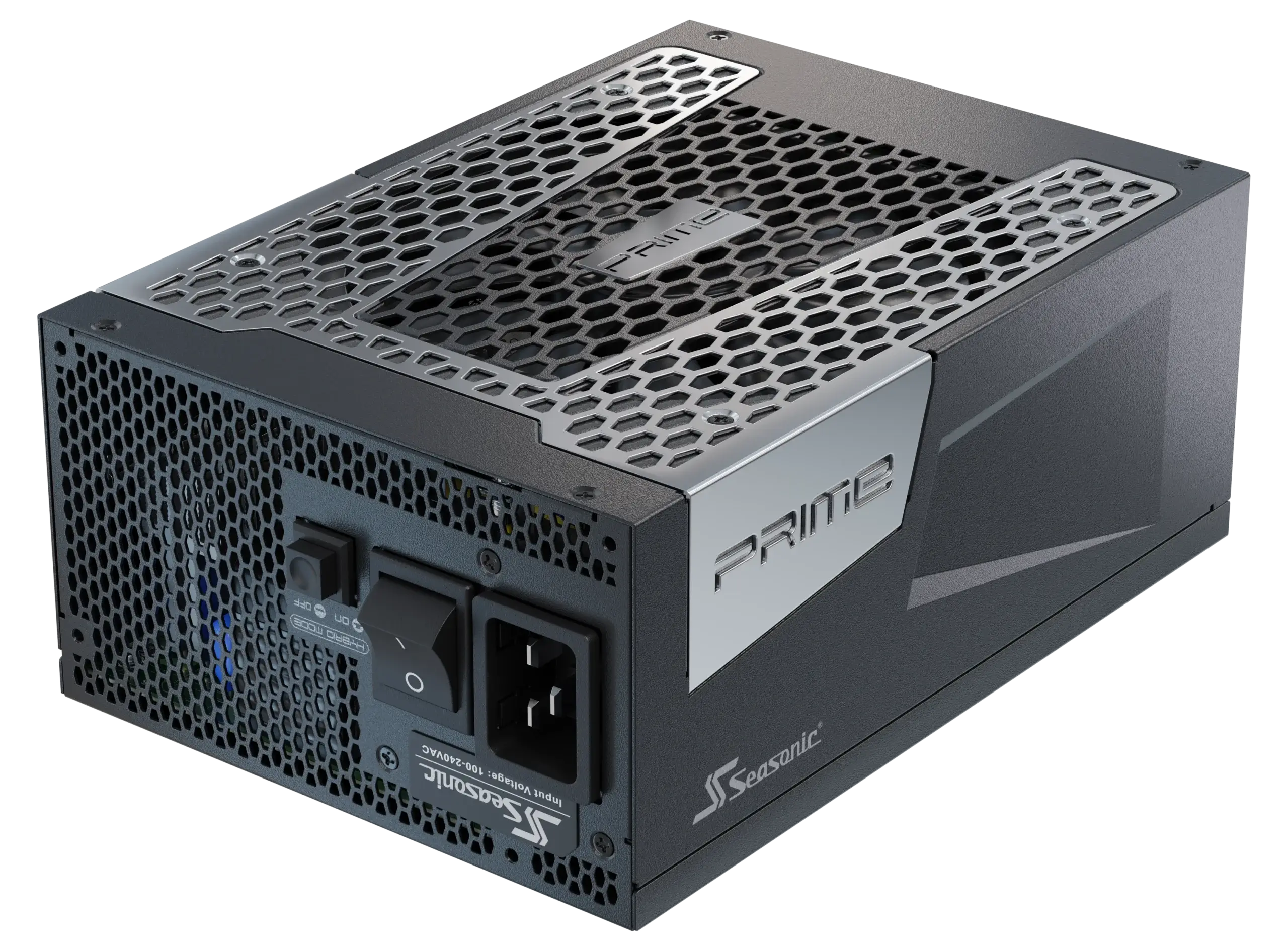
- Fans with high-quality bearings (like fluid dynamic bearings) run quieter and have a longer lifespan compared to conventional sleeve or ball-bearing models. Seasonic integrates Fluid Dynamic Bearing (FDB) fans in premium lines, ensuring both silent operation and extended fan lifespan. In special editions, like the PRIME TX-1600 Noctua Edition, world-class Noctua fans further push the boundaries of quiet cooling.
- Some PSUs have dynamically controlled fans that only kick on when heat or load increases. This means that the fan may not rotate at all at low temperatures, ensuring completely silent operation. Which is an essential factor for those PC users who practice 24/7 game sessions and use their PC as a workstation that handles demanding tasks and must be quiet.
- The use of biomimetic blade shapes (meaning wavy) minimizes turbulence during rotation and reduces noise by up to 40% compared to traditional blades.
- Too slow fan rotation can lead to PSU overheating, unstable voltage, and reduced PC component longevity. Therefore, it is important to find a “happy medium”: adjust the fan so that it cools adequately at a moderate noise level.
How do high-quality components extend PSU longevity?
A good PSU component extends its service life by reducing thermal load, ensuring stable operation, and reducing failure rates.
Let’s look at the key components that determine PSU durability:
- Capacitors, particularly electrolytic types, can degrade over time as their electrolyte dries out. So, it’s a more efficient option to use capacitors rated for 105°C instead of 85°C, and rely on reputable Japanese brands. Together, they can greatly extend the PSU lifespan.
- High-quality MOSFET transistors with low channel resistance and low gate charge. It reduces heat loss and improves energy conversion efficiency, extending the life of your power supply.
- Inductors with low core losses and high rated currents are more efficient and reduce electromagnetic interference.
- Reducing the load on components (derating) cuts thermal stress and increases PSU reliability. For example, when MOSFET transistors are operated at 70% of their maximum rating.
If you compare budget PSUs’ components and features with Seasonic ones, the difference is obvious. It shows both performance and how long the power supply will last. As follows.
| Features | Budget Design PSU | Seasonic PSU Design |
|---|---|---|
| Capacitors | Generic, 85°C | Japanese, 105°C |
| Cooling | Basic fixed-speed fan | Hybrid Mode with FDB fan / Fanless option |
| Protections | Limited or absent | Full suite: OPP, OVP, UVP, OCP, OTP, SCP |
| Certifications | None or basic 80 PLUS® | 80 PLUS® Gold–Titanium + Cybenetics |
| Longevity | 1–2 years typical | 7–12 years warranty |
How does PSU design reduce coil whine?
Coil whine is a high-pitched noise that can occur when electrical components vibrate under load. This often happens in lower-quality PSUs where cheaper chokes or poor PCB layouts allow resonance.
Seasonic PSU design minimizes coil whine through:
- High-quality chokes with better insulation and tighter winding.
- Optimized PCB layouts that reduce electrical resonance.
- Resin-coating techniques to dampen vibration and noise.
Our R&D team also performs acoustic testing under heavy GPU and CPU loads to ensure Seasonic PSUs deliver reliable performance with less audible noise.
How does energy efficiency contribute to durability?
An energy-efficient PSU reduces energy consumption and heat dissipation, extending the PSU and PC components longevity. Investing in an energy-efficient PSU is an important step in ensuring the reliable and long-lasting operation of your computer system.
How does energy efficiency affect PSU longevity? As follows:
- A high-efficiency PSU converts most of the energy consumed into power, so heat losses are minimized. In simple terms, all the power goes to PC components and ensure their stable and efficient operation.
- An advanced-efficiency PSU reduces the load on its components, especially electrolytic capacitors. As a result, this helps reduce their wear and tear. This point also covers other PSU components that play a key role in its stable operation.
- Energy-efficient PSUs provide a more stable power supply to PC components. It’s the basis, but at the same time, it also adds to the PSU’s longevity. It minimizes voltage fluctuations and helps prevent damage or other performance issues.
How do 80 PLUS® certifications and safety standards reflect the PSU quality?
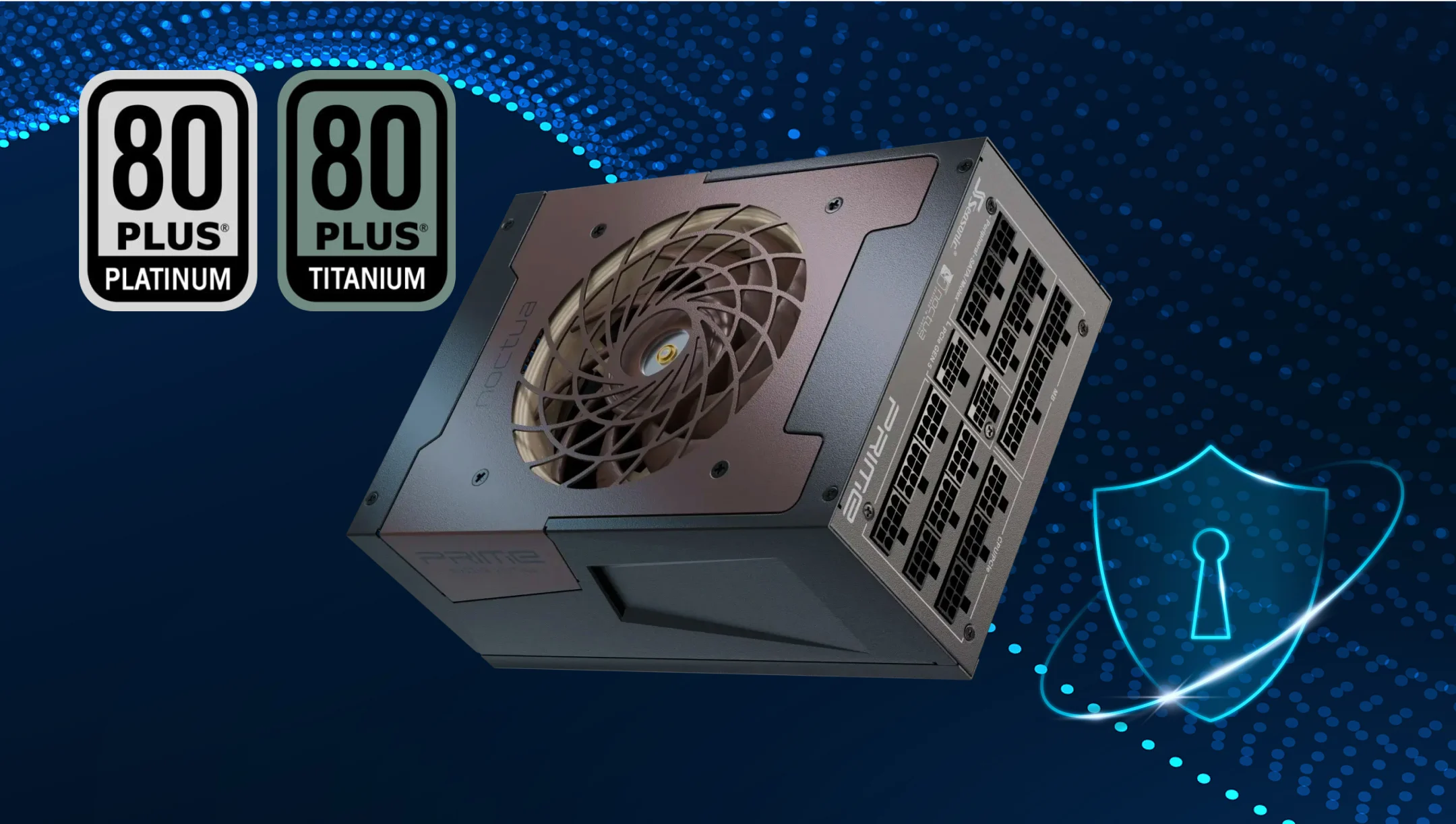
80 PLUS® certification shows how efficiently a PSU converts electricity. The higher the certification level, the less heat and stress on components. Safety standards, in addition, ensure that the PSU will not overheat, short-circuit, or damage your computer. They both provide a guarantee that your PSU will work effectively, power your PC components as they need, and can easily withstand any issues that may arise.
80 PLUS® certification is a voluntary program that evaluates the energy efficiency of PSUs. It includes seven certification levels: from 80 PLUS® Standard to Titanium. Each requires a minimum efficiency rating at 10%, 20%, 50%, and 100% load levels. Seasonic PSUs in premium lines have 80 PLUS® Gold, Platinum, and Titanium certification. This highlights their excellent work under the heaviest loads and during various tasks your PC performs – gaming, overclocking, 3D design, video editing, etc.
In addition to 80 PLUS® certifications, Seasonic PSUs also feature Cybenetics ratings, which measure both efficiency and noise performance more precisely. This highlights our commitment to building not just efficient, but also quiet and reliable power supplies.
In addition to energy efficiency, an important aspect of PSU quality is compliance with international safety standards. Such as:
- IEC 62368-1 – international safety standard for audio, video, and information technology;
- UL 62368-1 – a standard that defines safety requirements for electronic devices;
- CE – it confirms that products comply with EU requirements for safety and environmental protection.
Compliance with these standards it’s a must for every PSU manufacturer. They ensure that the PSU is protected against lots of potential risks. For instance, short circuits, overvoltage, and overheating. It guarantees that the power supply can withstand electrical and mechanical loads without risk of damage.
What are the risks associated with low-quality or cheap power supplies?
Owners of low-quality power supplies may face the following issues:
- Cheap PSUs have poor ventilation and inefficient cooling systems. As a result, the power supply can overheat, lowering its efficiency and output needed for stable PC operation. Plus, it can damage your motherboard or GPU, or even cause power supply failure.
- Low-quality power supplies might have poor voltage regulation, causing PCs to run unstably. This can cause computer malfunctions, random reboots, or even damage to components.
- In a case of a serious malfunction, a cheap PSU can cause a short circuit. This is a direct path to damage not only to the power supply itself, but also to other computer components.
- An unstable power supply can cause random computer shutdowns. This means you risk losing personal data from your PC without the possibility of recovery.
- Low-quality PSUs are often not equipped with modern protective mechanisms. Like surge, short circuit, or overheating protection. If something goes wrong, it’s more likely to cause serious damage.
Which SeaSonic power supplies combine cooling, durability, and safety?
At SeaSonic, we offer PSUs that combine efficient cooling, high reliability, and safety. Here are some of the models that stand out for these features.
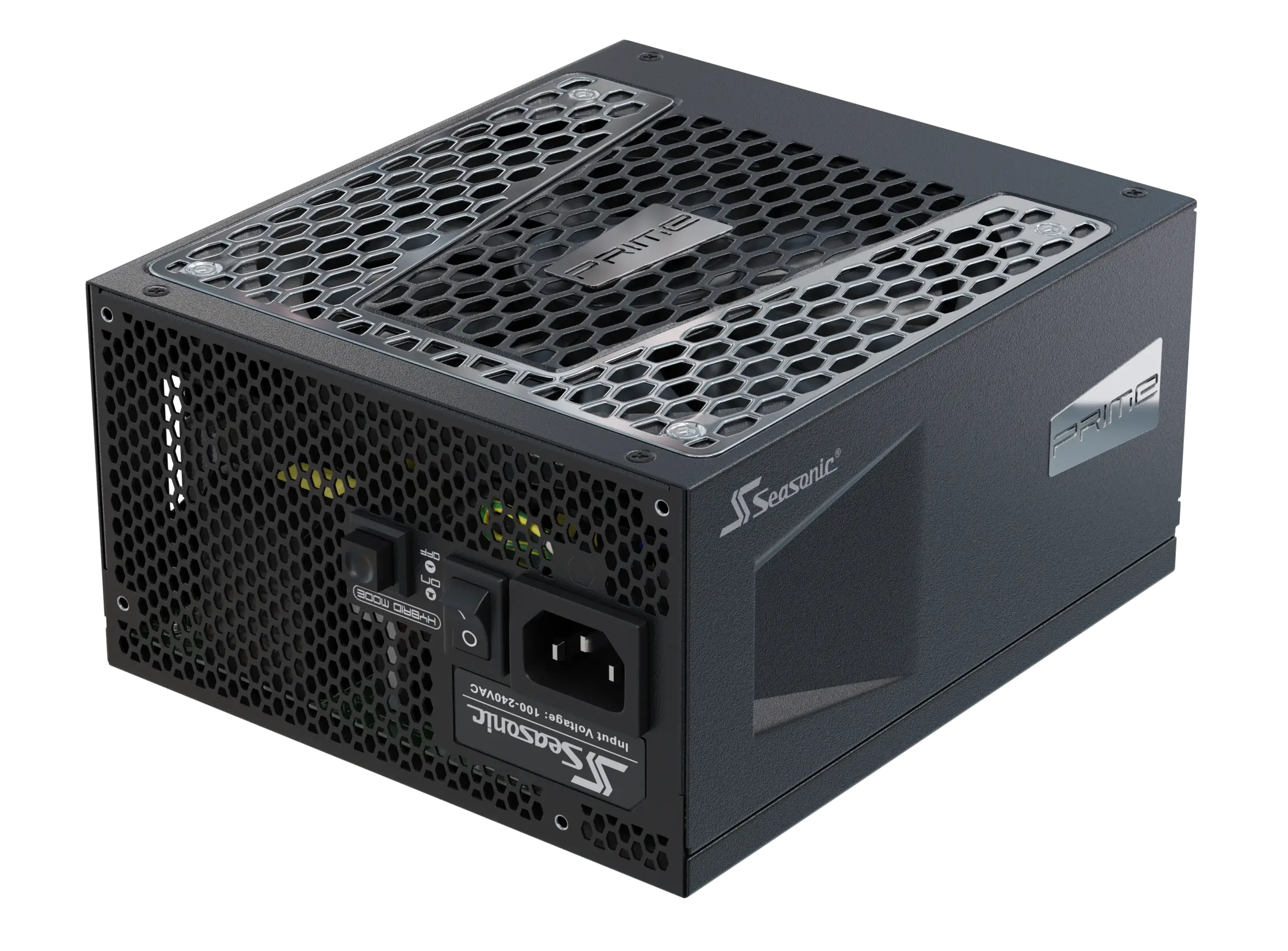
Seasonic PRIME TX-1600 Noctua Edition
It is equipped with a high-quality Noctua NF-A12x25 fan for quiet and efficient operation. Power supply designed with Japanese capacitors that can withstand temperatures of up to 105°C, boosting its reliability. The PSU 80 PLUS® Titanium certified and supports the ATX 3.1 standard, ensuring stable operation even under high loads. So you’ll enjoy working on any task on your PC with this power supply.
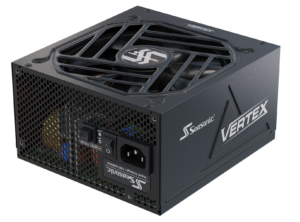
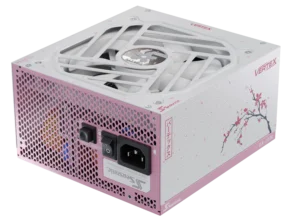
Seasonic VERTEX GX-1000
Designed with a cooling system that keeps it at the right temperature. High-quality components are used in the internal structure to ensure a long service life. It’s 80 PLUS® Gold certified and has built-in protection mechanisms to ensure system safety. With its sleek design and built-in features, this Seasonic power supply will handle different load tasks with ease.
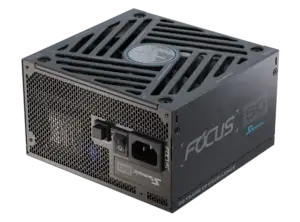
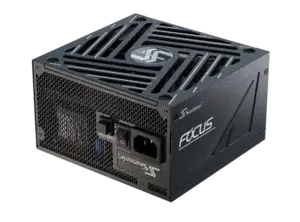
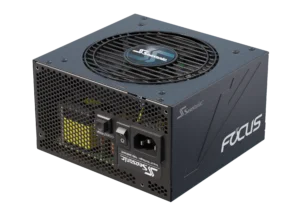
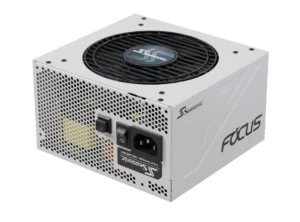
Seasonic FOCUS GX-750 ATX 3.1
This PSU is equipped with a three-phase thermally controlled cooling system: silent, quiet, and cooling. It has built-in Japanese capacitors that ensure stable operation and a long service life. It has 80 PLUS® Gold certification and has built-in protection mechanisms such as OCP, OVP, UVP, OPP, OTP, and SCP to ensure PC operation safety and comply with the latest ATX 3.1 and PCIe 5.1 standards.
Conclusion
A PSU’s design goes far beyond aesthetics or product line colors. In a deeper meaning, it’s more about PSU components, their placement, cable arrangement, and built-in innovative solutions that make your PSU a powerhouse for different PC builds. Whether it’s a professional workstation that needs to handle heavy tasks or for home use. When choosing a power supply for your PC – always look deeper. Like what kind of quality components are in it, what kind of protection mechanisms it keeps, or what level of 80 PLUS® certification it has.
Together, they create a tool that protects your PC from various potential risks, operate more productively, and ensure the core indicators we’re talking about in this article – cooling, longevity, and safety.
Seasonic PSUs have all these features built in, delivering reliable power, efficient cooling, and long-lasting performance for any PC build.