
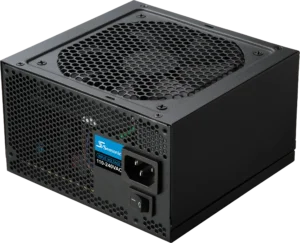
Learn how power electronics impact both your PSU and your PC components’ performance. We explain the operating principles of the main electronic elements so you can better understand how they work and why having them is essential for a reliable, efficient PSU.
Power electronics in modern PC power supplies
Power electronics is the field of electrical engineering that focuses on the efficient conversion, control, and conditioning of electric power using solid-state electronic devices. In modern PC power supplies, there are complex electronic topologies and components and technologies that enable the reliable conversion of AC mains voltage into tightly regulated, low-voltage DC rails required by the motherboard, CPU, and GPU.
The key benefits provided by modern power electronics in PC power supplies include:
- Active Power Factor Correction (APFC);
- high efficiency;
- low output ripple and noise;
- excellent load and line regulation;
- comprehensive protection features;
- compact size and light weight;
- maximum system protection;
- stable operation.
These advancements allow today’s high-performance PCs to operate reliably, quietly, and efficiently even under extreme loads (e.g., multi-kW gaming- or workstation systems, or overclocked enthusiast builds). At its core, the power electronics circuitry orchestrates every critical function in toe PC power supply: rectifying and correcting the incoming AC mains, rapidly switching at high frequencies to step down voltage with minimal loss, precisely regulating multiple output rails (±3.3 V, ±5 V, ±12 V), actively suppressing ripple and noise to microvolt levels, and responding instantaneously to transient load changes during sudden power spikes.
In essence, modern power electronics does not simply convert power; it intelligently manages and protects the entire electrical ecosystem of the PC, ensuring peak performance, longevity, and safety under any operating condition.
What are MOSFETs?
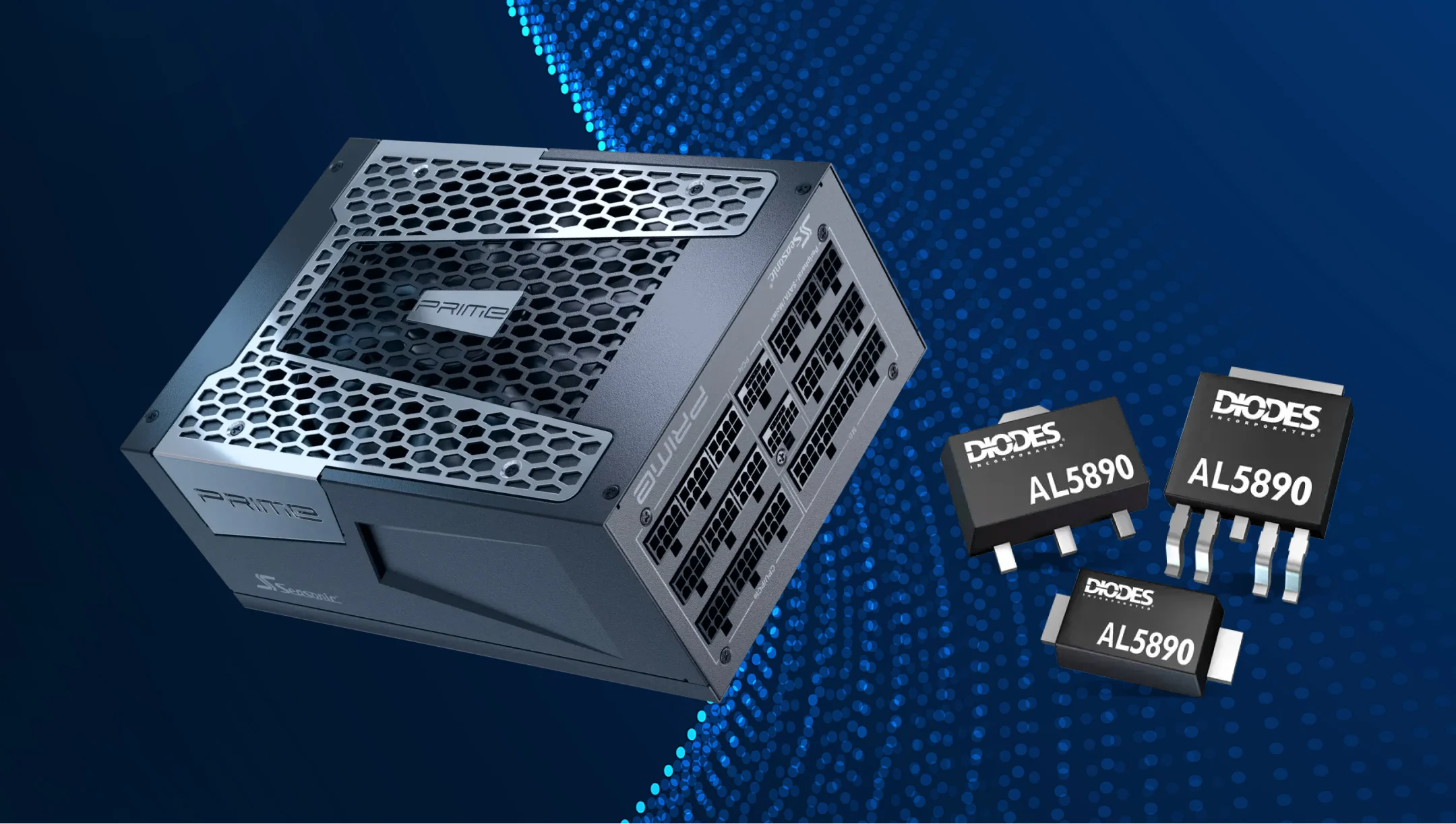
MOSFET (Metal-Oxide-Semiconductor Field-Effect Transistor) is the core element of modern power electronics. This central power component controls the electricity flow inside a PC it is what makes modern power supplies capable of outputting stable power lines for the reliable operation of processors and GPUs.
A MOSFET works like a small electronic switch that controls huge electric power with just a small voltage field (no moving parts). From source to drain, the path is blocked (switch is OFF) until you apply a small positive voltage (usually 2 to 4 volts) on the gate. The voltage creates an electric field in the semiconductor structure of the transistor. This field forms a conductive channel between the source and drain, and the electricity starts flowing (ON). When the voltage at the gate’s threshold is too low or disappears, the electric field disappears, the channel vanishes, and the current stops flowing at all (OFF).
MOSFETs turn on and off hundreds of thousands of times per second, stay cool, waste almost no energy, and give your CPU and GPU perfectly steady power. Being simple, fast, and super-efficient makes them well-suited for modern PC power supplies and VRMs.
What types of MOSFETs and diodes are commonly used in PC power supplies?
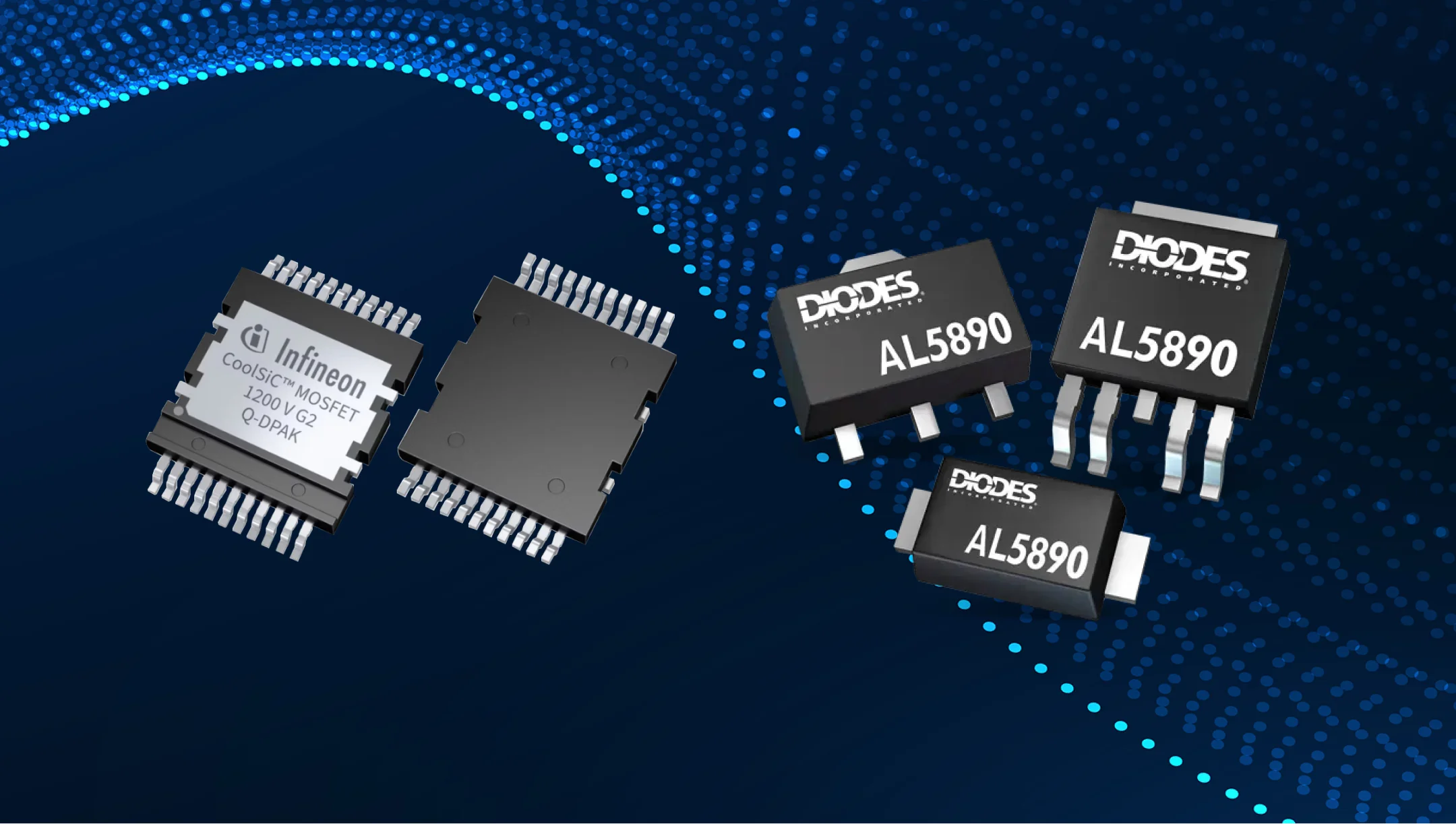
In today’s fast-moving tech landscape, manufacturers commonly use the most up-to-date MOSFETs and diodes in the power supplies. They are carefully selected for PC power supplies based on their key specifications that would ensure high efficiency, fast switching, and reliability under load.
MOSFETs
- N-channel power MOSFETs. The most common type, used for main +12V converters. It is capable of withstanding high currents, which is why lots of enterprises use them in the core of power supplies.
- Low Rds(on) MOSFETs with logic gate threshold. They enable direct microcontroller drive with minimal conduction loss and low heat generation under high load currents.
- SiC (silicon carbide) MOSFETs. Mostly used in premium power supply series to achieve high efficiency and efficient high-frequency operation with low heat generation.
- Synchronous MOSFETs work as a replacement for diodes in DC-DC converters. They primarily reduce positive current losses and boost the power supply’s overall operational efficiency.
Types of diodes
- Schottky diodes. Designed for 5Vsb, they have a very low forward voltage drop.
- Conventional power diodes used for protection and auxiliary lines withstand high peak currents.
- Synchronous MOSFETs as “reverse diodes.” They fully replace traditional Schottky diodes in high-efficiency power supplies, minimising energy loss and delivering stable, precise output voltage.
How do MOSFETs convert energy in PC power supplies?
In a modern PSU, the power conversion follows a precise high-frequency switching sequence: MOSFETs rapidly turn on and off under exact timing control to efficiently transform and regulate power. Primary-side MOSFETs rapidly switch DC into high-frequency AC. A resonant network smooths the current, transferring energy through the transformer to the secondary side, where synchronous MOSFETs rectify it with minimal loss. Closed-loop feedback ensures a stable, precise DC output.
When +12V is converted into +5V and +3.3V voltages by a step-down converter circuit, MOSFETs regulate the energy supplied, so the output voltage stays normal no matter how much load you put on it. Faster, more precise MOSFET switching delivers cleaner, more stable voltage to PC components, reducing ripple and improving system reliability.
How do MOSFETs improve efficiency in power supplies?
MOSFETs form a critical part of the power supply, improving its efficiency and maintaining stable performance. They switch ultra-fast with minimal heating, so your PC wastes less power as heat and components run cooler, more efficiently, and more reliably.
Sync MOSFETs replace conventional diodes in the power supply, resulting in smaller voltage drops at the output and more power reaching the PC components. Proper control of MOSFETs using PWM (Pulse-Width Modulation) or resonant topologies (LLC) also reduces ripple and component heating, increasing overall PSU energy efficiency.
What functions do diodes perform in power regulation?
In power regulation circuits, diodes perform several key functions.
- First, they act as power rectifiers, converting AC voltage to DC on the secondary side of the transformer. It is highly critical for powering PC components that require a stable voltage, like a motherboard or a GPU.
- Second, they provide reverse current protection by blocking energy flow in the reverse direction, preventing damage to components. It’s necessary, for instance, when inductive elements accumulate energy and create a reverse pulse. If there are no diodes, this can damage MOSFETs.
Today, MOSFETs are often used instead of diodes in high-efficiency power supplies, since they lose less energy.
How do rectifiers convert AC to DC inside a power supply?
The rectifier in the power supply converts alternating current from the outlet into direct current through the built-in diodes. Diodes allow current to flow in only one direction, so during each half-cycle of alternating voltage, they block the reverse current. Afterwards, capacitors and coils smooth out the ripple. As a result, PSU flawlessly delivers the required power for proper computer operation.
What is the relationship between MOSFETs, diodes, and rectifiers?
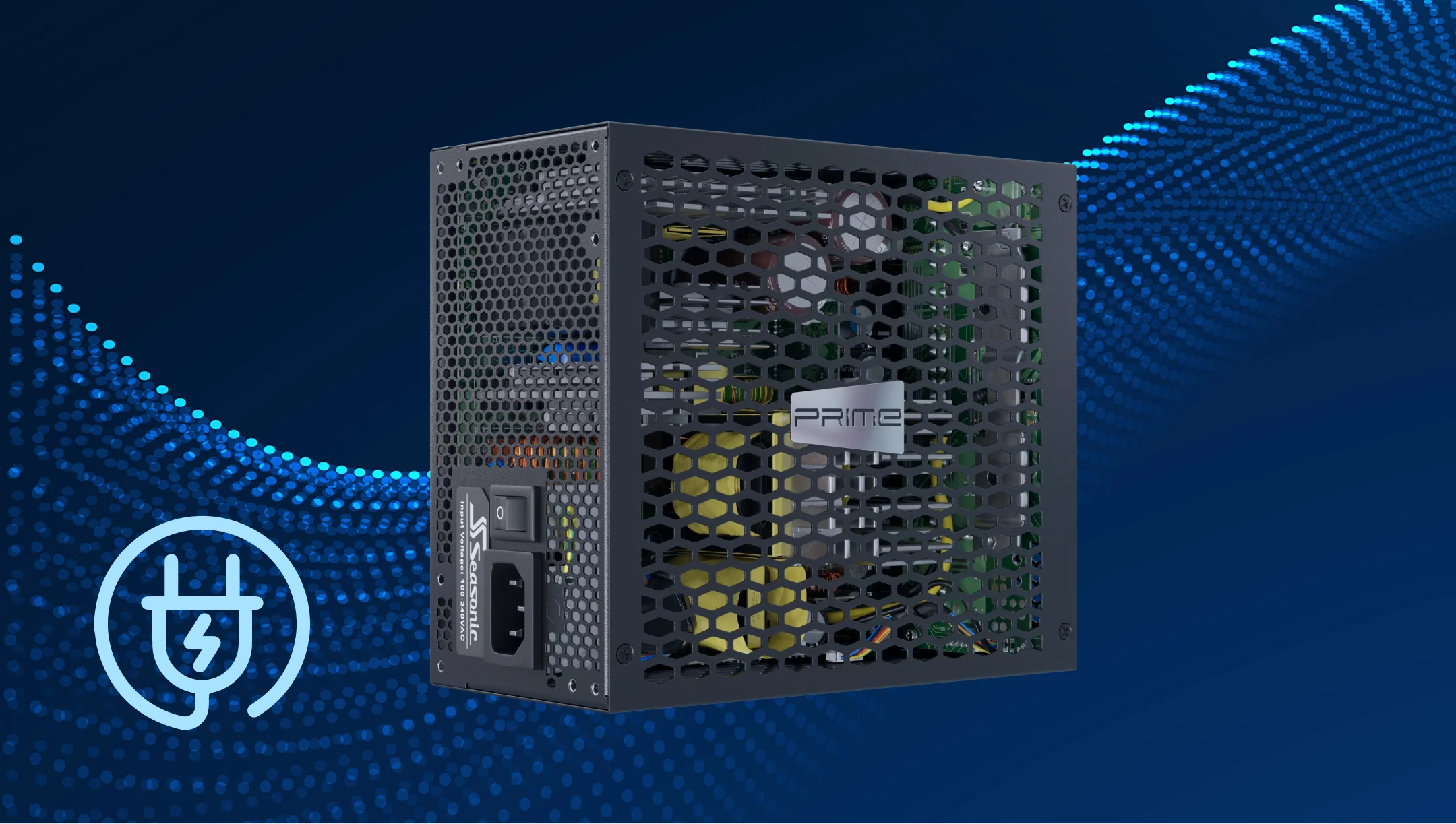
As a part of a power electronics in a power supply, a rectifier serves as a circuit that converts AC to DC voltage. In traditional circuits, this task is performed by diodes, which only allow current to flow in one direction. Modern power supplies often use MOSFETs instead of diodes for improved performance and do the same thing but more efficiently. MOSFETs control the energy in converters, while diodes protect and stabilise the output voltage.
To get a clearer understanding of how they work together and how they affect PC performance, imagine the rendering when the game loads your GPU to 100 %. MOSFETs quickly “dose” the energy so that the GPU receives exactly as much power as it needs, without voltage spikes. Diodes convert the energy from the outlet into direct current, preventing the current from flowing backwards. So the GPU runs smoothly, without freezes or artifacts. In other words, these components directly support voltage regulation and deliver stable and reliable PC performance under high loads.
What components should a power supply include to ensure longevity?
To guarantee your power supply’s longevity and stable performance, it should have the following components that drive its effective operation. It is they who support сonsistent PSU function, even when the PC system is loaded at 100% capacity.
- fast MOSFETs that do not heat up;
- diodes or special MOSFETs for efficient energy conversion;
- reliable capacitors that can withstand high temperatures;
- coils and transformers without significant losses;
- protection system against short circuits, overloads, and overheating.
What innovations in PC power supply and power electronics does SeaSonic use?
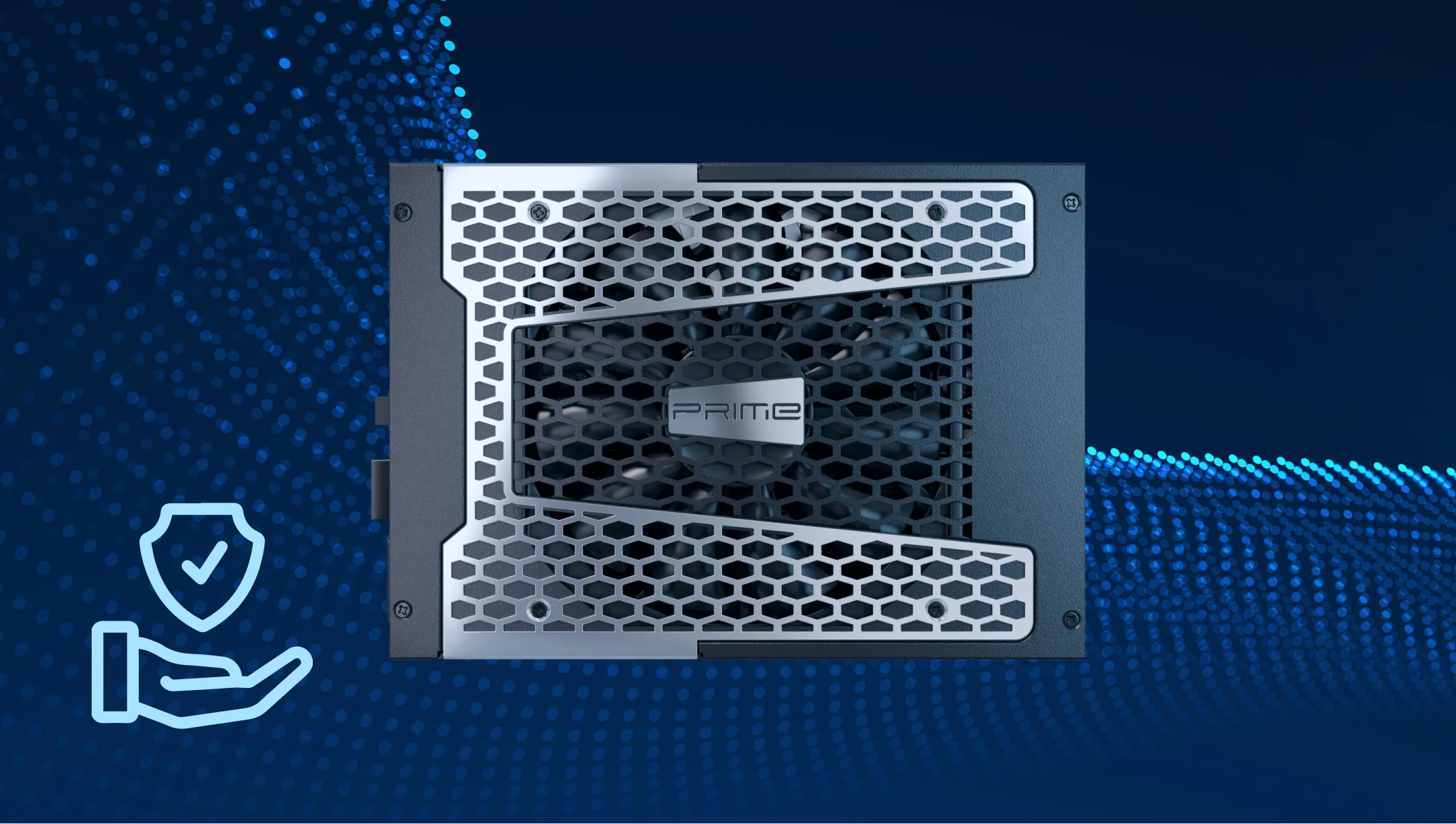
Here are Sea Sonic’s key power electronics innovations in power supplies that deliver cleaner, more stable, and highly efficient power to boost your PC’s performance.
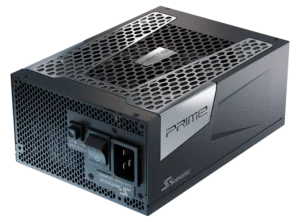
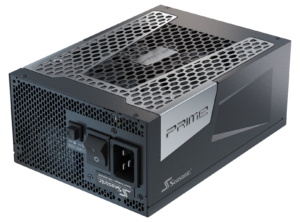
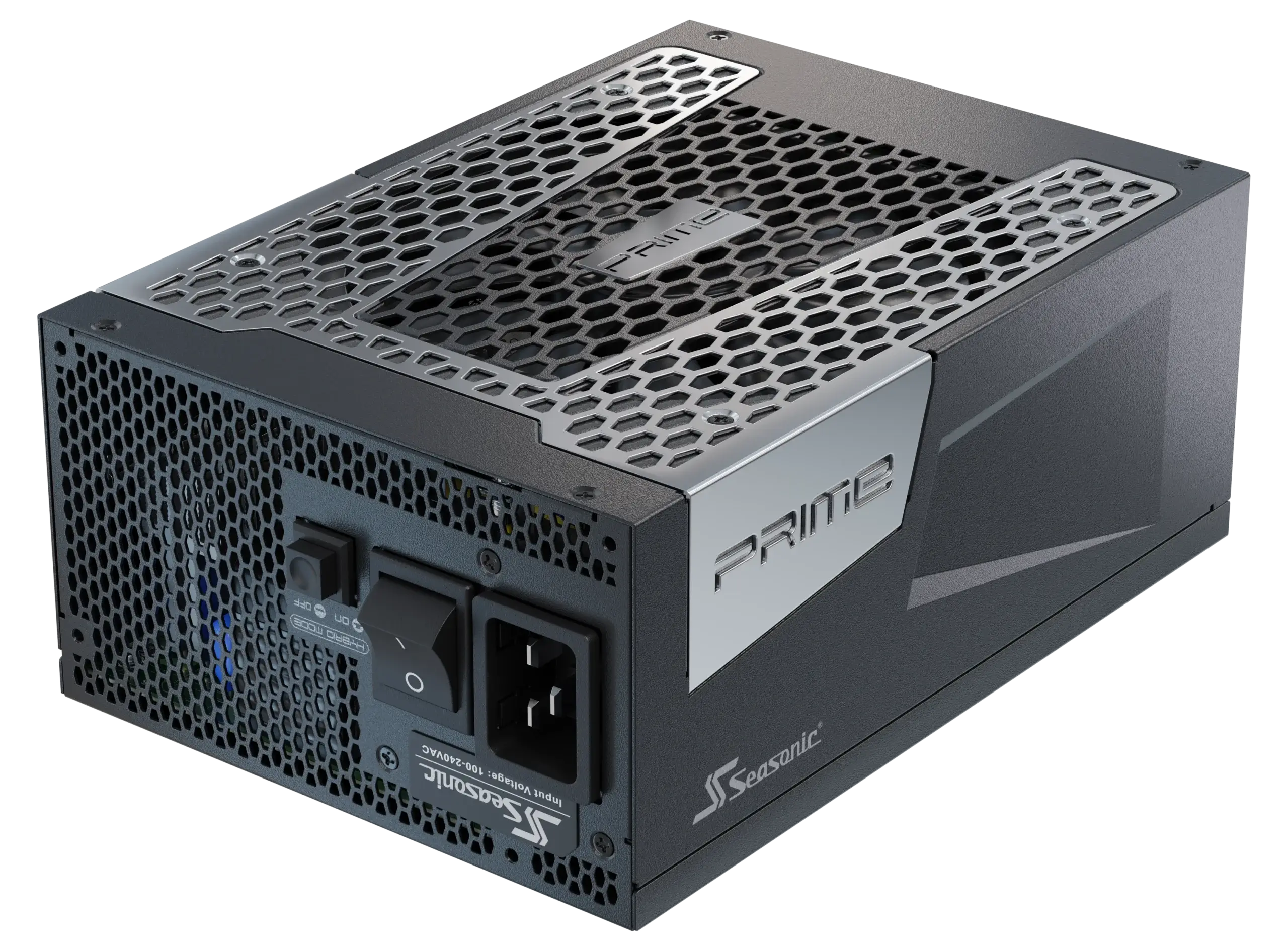
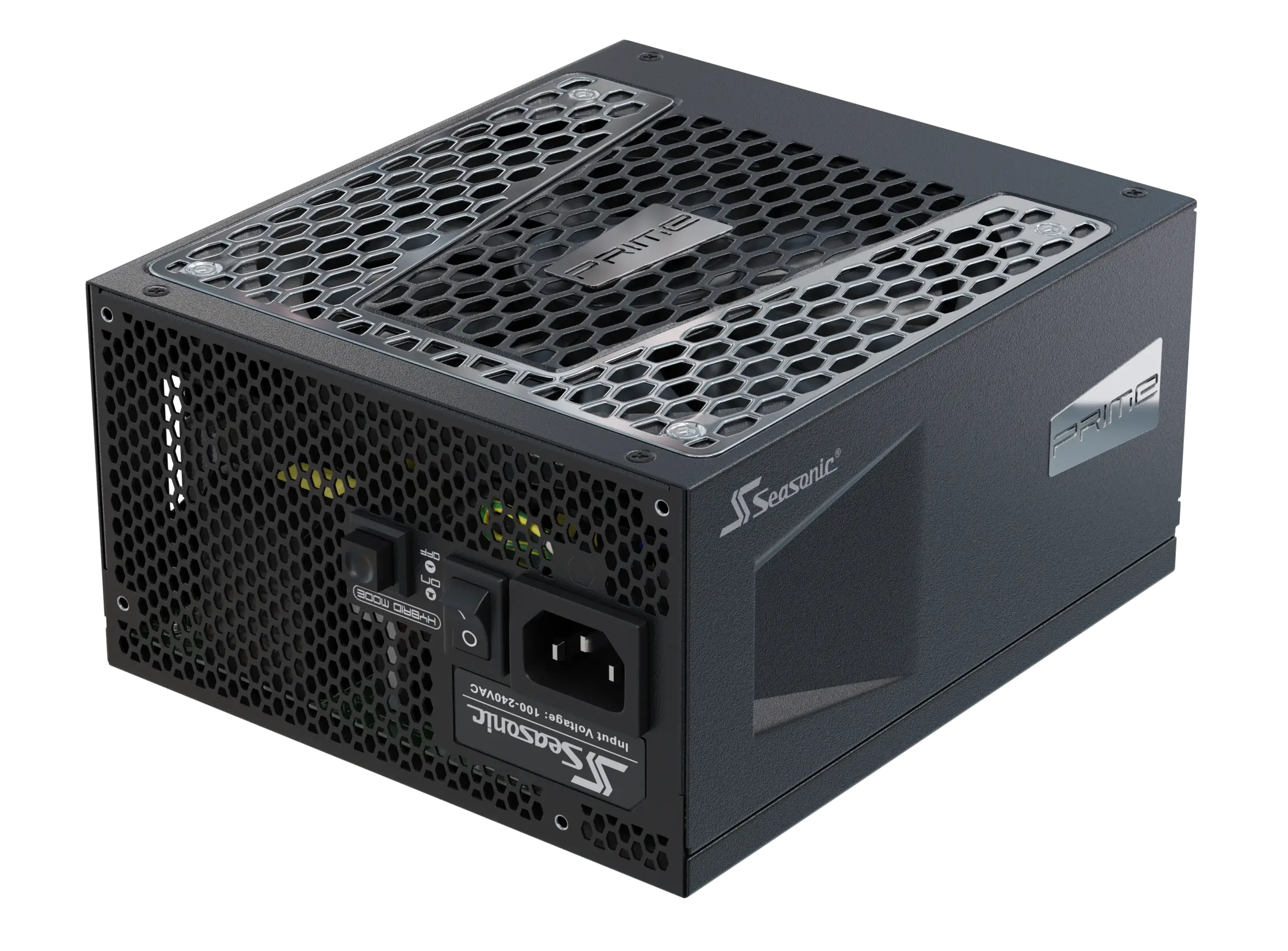
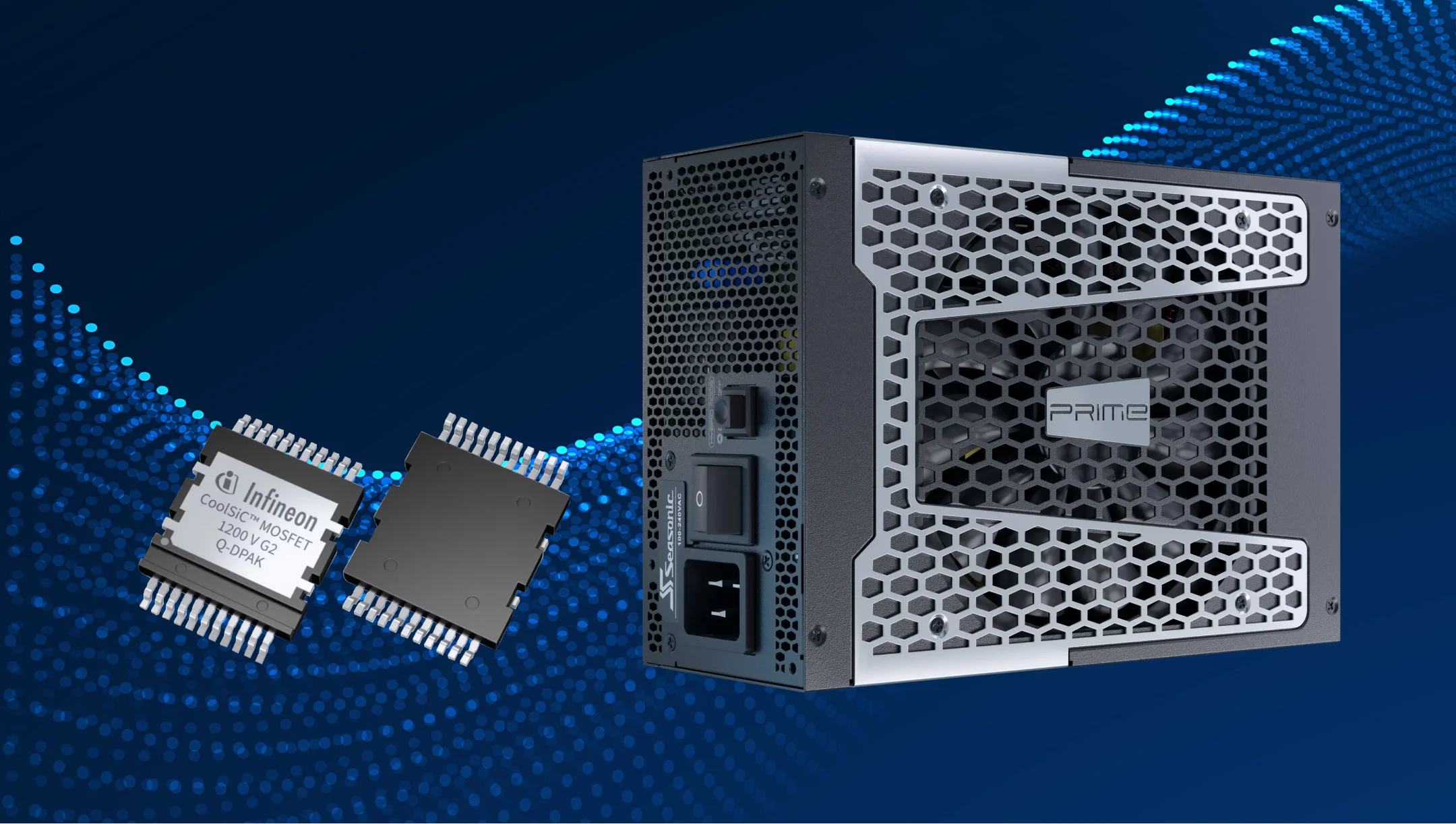
- In PRIME power supply models, Seasonic uses a Full-Bridge LLC + DC-DC topology. This approach helps achieve high efficiency certifications (80 PLUS® Platinum, Titanium) and stable voltage in every PSU.
- The Hybrid Silent Fan Control system lets you keep the temperature in the PSU under control and reduce fan noise when possible. The system itself operates in three modes: Fanless (at low load, the fan does not spin at all), Silent (minimum speed), and Cooling (high speed when the load or temperature increases).
- The latest protection technology from Seasonic, OptiGuard™, monitors the temperature and current on each pin of every 12V-2×6 connector. The technology warns the user if any contact is overheating or drawing too much power, and then shuts the power off to prevent damage.
- Seasonic introduced OptiSink™, an SMD power component heat dissipation design. Its main idea is to increase internal space and reposition key components (such as MOSFETs and heat sinks) so that air can circulate better inside the PSU.
- High-quality Japanese capacitors are used to ensure better voltage stability, greater durability, and an extended operational life for the PSU.
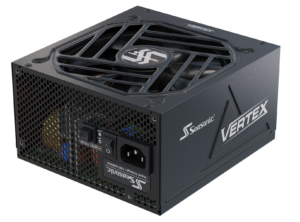
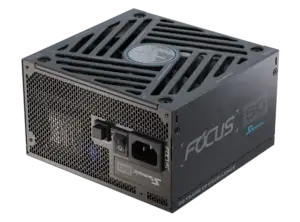
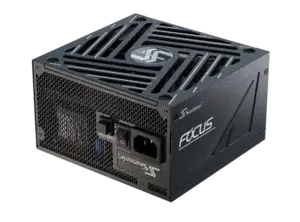
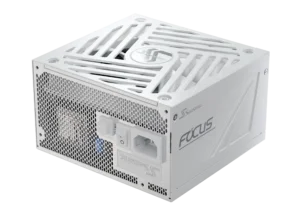
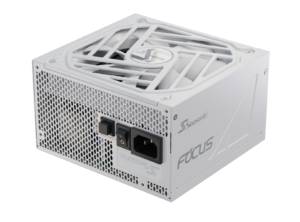
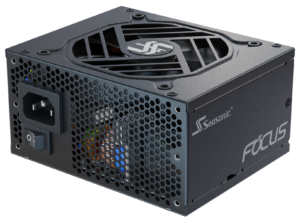
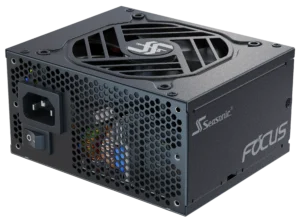
The following Seasonic PSU models are designed with the technologies and components described above. Learn more by clicking on the following links:
Conclusion
Advanced power electronics in power supplies support their performance at a high level, as well as ensure the PC’s stable operation. These tiny yet powerful components eliminate spikes, regulate power flawlessly, and work silently behind the scenes, so your PC stays cool, responsive, and reliable during gaming or work.